How To Make A Mascot: A Step-by-Step Guide For Designing A Mascot Costume
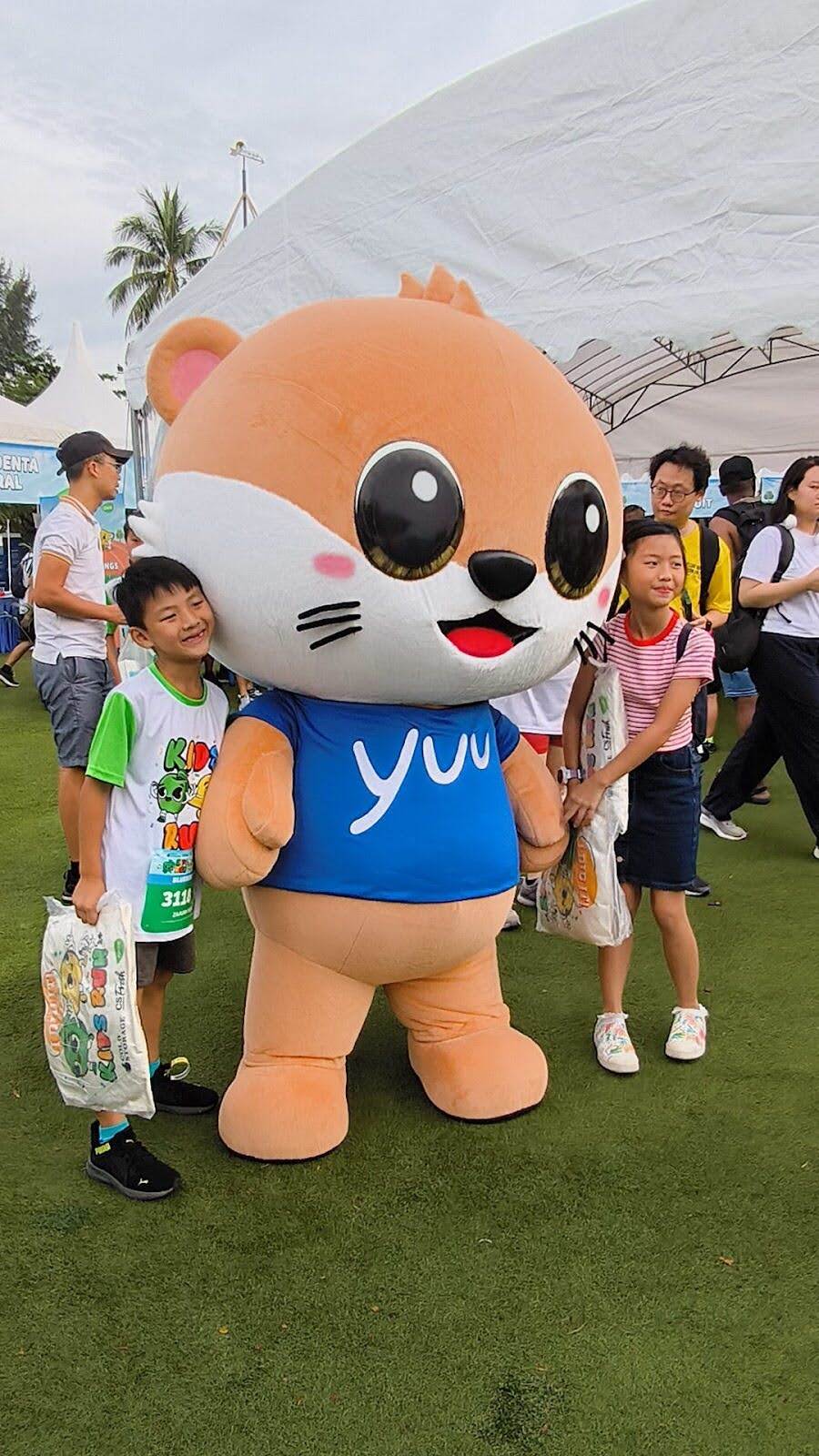
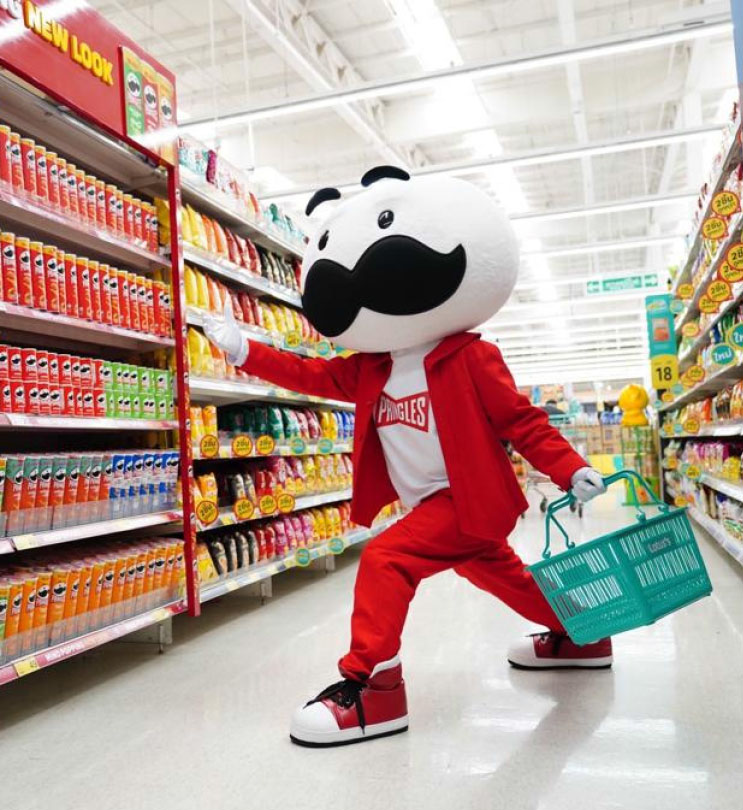
Mascots are powerful tools for brand identity, school spirit, sports teams, and even event promotions. These friendly, larger-than-life characters can help foster an emotional connection with audiences, enhance brand recognition, and add a fun, interactive element to your brand’s presence.
If you’re wondering how to make a mascot or how to design a mascot, this comprehensive guide will walk you through the process of creating the perfect mascot costume from scratch.
How To Design A Mascot: The Essential First Steps
Designing a mascot requires creativity, strategic thinking, and an understanding of the audience you’re trying to engage. Whether you are creating a mascot for a sports team, a corporate brand, or a special event, your mascot should embody the personality and values of the entity it represents.
1. Define The Purpose And Audience
Before you start sketching out designs, think about the purpose of your mascot. Is it for a corporate brand, a school, a sports team, or an event?
The purpose will greatly influence the mascot’s design and overall look. Understanding the target audience is equally important — you’ll want the mascot to be relatable and evoke the right emotions.
2. Choose A Mascot Concept
The next step is to decide what type of character your mascot will be. The options here are limitless! You can choose an animal, a human figure, a mythical creature, or even an abstract shape. Your choice should align with the values of your brand or team.
For example, a sports team might opt for an animal with traits that symbolise strength or agility, while a tech company could choose a futuristic, digital-inspired character.
3. Sketch Your Mascot Design
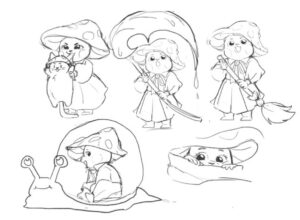
Now comes the fun part — sketching your ideas! Start by drafting a few different designs and focus on the key features that will make your mascot unique. Consider the following elements:
- Colour palette: Bright, bold colours work well for mascots as they’re eye-catching and engaging. Ensure that the colours reflect the personality of the brand or team.
- Expression: A mascot’s face should convey the right emotion — be it friendly, fierce, funny, or wise.
- Body shape and size: The body shape should be appropriate for the mascot’s personality. A sports team mascot may have a muscular build, while a corporate mascot might have a more approachable or playful design.
Once you’re happy with your sketches, you can move on to digitalising the design or seeking help from a professional graphic designer to refine the look.
How To Create A Mascot: The Design To Costume Transition
After your mascot design is finalised, it’s time to consider how to create a mascot physically. The transition from an idea on paper to a fully realised character requires careful planning, particularly when it comes to making a mascot costume. A mascot costume needs to be both visually appealing and functional for the performer inside it.
1. Choose the Right Materials
The materials used to make a mascot costume are crucial for both comfort and durability. Here are some of the most common materials:
- Foam: Lightweight foam is commonly used for the mascot’s body and head to create a comfortable fit while maintaining the right structure. It is easy to cut and shape, making it ideal for larger features.
- Faux fur or fabric: For animals or creatures with fur, you’ll need a soft fabric like faux fur or a thick cloth. Make sure the material is breathable to allow the performer to stay cool during use.
- Mesh or see-through fabric: For the eyes and other small details, a mesh material allows the performer to see out of the mascot while maintaining the illusion of the character.
2. Create A Prototype Or Pattern
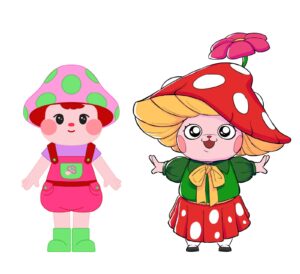
To ensure your mascot costume fits correctly, create a prototype or pattern. Use your mascot design to create a template for the body, head, and other parts of the costume. You can use a mannequin or a volunteer to test the fit of the costume as you go along, adjusting for comfort, mobility, and visibility.
3. Build The Head
The mascot head is the focal point of the costume, so it needs to be lightweight, comfortable, and well-constructed.
The head is typically built using foam as the base, and the features (eyes, nose, mouth) are added using a combination of fabric and other materials like plastic or felt. The performer needs to be able to see clearly, so make sure the eye holes are positioned correctly. Padding inside the head will also help with comfort.
4. Assemble The Body And Other Parts
Once the head is complete, focus on constructing the body, arms, and legs. Depending on your design, you might want the body to be overstuffed with foam to give it a larger-than-life appearance or to create specific shapes like muscle definition or animal traits. The arms and legs should be long enough to provide the performer with mobility but still fit comfortably into the design.
5. Final Touches And Mobility
The final steps involve adding finishing touches like clothing, accessories, or other props that will bring your mascot to life. Make sure the costume is comfortable and the performer has enough range of movement. You’ll also want to include padding or additional layers for insulation, as mascot performers often work in high-energy environments that can get hot quickly.
How To Make A Mascot Costume: A Practical Approach

When considering how to make a mascot costume, it’s essential to take into account both the aesthetic and functional aspects of the costume. Here are some practical tips:
- Breathability: Always use breathable materials to help with airflow. Consider adding mesh panels or vents in strategic places to help the performer stay cool.
- Visibility: Ensure there’s enough visibility through the eyes and mouth areas. If you’re using fabric or mesh, check that the performer can see clearly in different lighting conditions.
- Durability: Mascot costumes often endure a lot of wear and tear, so use durable materials. Reinforce the seams, especially around high-stress areas like the arms and legs.
- Safety: Ensure the performer can move safely in the costume, especially if they’re participating in physical activities like dancing or sports. Lightweight and well-fitted costumes prevent injury.
Conclusion On Designing A Mascot Costume
Creating a mascot is an exciting and rewarding process, whether you’re designing a character from scratch or making a costume to bring it to life. The key to success is blending creativity with practicality.
By following the steps outlined here, you’ll learn how to make a mascot and how to create a mascot costume that stands out, engages your audience, and brings your brand or event to life.
Ready to bring your mascot idea to life? At Mascot Enterprise, we specialise in custom-designed mascots and high-quality mascot costumes tailored to your specific needs.
Whether you’re representing a sports team, a school, a business, or a special event, our expert designers and costume makers are here to help create the perfect character for you. Contact us today to get started and make your mascot vision a reality!
Frequently Asked Questions On Designing A Mascot Costume
How Long Does It Take To Design And Create A Mascot Costume?
The timeline for creating a mascot costume depends on the complexity of the design and the materials used.
On average, it can take anywhere from 6 to 12 weeks to complete a custom mascot costume, including the design process, prototyping, and final construction. For more intricate designs or larger orders, it may take longer.
How Much Does A Mascot Costume Cost?
The cost of a mascot costume varies depending on several factors, including the level of detail, the size, and the materials used.
On average, custom mascot costumes range from SGD2,500 to SGD6,750 or more. Additional features, such as animatronic elements, advanced mobility features, or complex designs, can increase the cost.
Can Mascot Costumes Be Worn By Anyone, Or Are They Custom-Fitted?
While mascot costumes can be made in standard sizes, custom-fitting is often recommended for better comfort and mobility.
If the costume is intended for a specific performer, custom measurements can ensure a better fit and allow for greater comfort during performances. Adjustments to the size and shape of the costume can also be made to suit the performer’s physique.
How Do You Make Sure A Mascot Costume Is Comfortable To Wear For Long Periods?
Comfort is key when designing a mascot costume. To ensure this, materials such as lightweight foam, breathable fabrics, and padded interiors are used to reduce weight and improve air circulation while still balancing the aesthetic requirements.
Designers also pay attention to the fit, ensuring that the performer has ample space to move, and strategically place ventilation areas, such as mesh panels, to allow for airflow and prevent overheating.
{
“@context”: “https://schema.org”,
“@type”: “FAQPage”,
“mainEntity”: [{
“@type”: “Question”,
“name”: “How Long Does It Take To Design And Create A Mascot Costume?”,
“acceptedAnswer”: {
“@type”: “Answer”,
“text”: “The timeline for creating a mascot costume depends on the complexity of the design and the materials used.
On average, it can take anywhere from 6 to 12 weeks to complete a custom mascot costume, including the design process, prototyping, and final construction. For more intricate designs or larger orders, it may take longer.”
}
},{
“@type”: “Question”,
“name”: “How Much Does A Mascot Costume Cost?”,
“acceptedAnswer”: {
“@type”: “Answer”,
“text”: “The cost of a mascot costume varies depending on several factors, including the level of detail, the size, and the materials used.
On average, custom mascot costumes range from SGD2,500 to SGD6,750 or more. Additional features, such as animatronic elements, advanced mobility features, or complex designs, can increase the cost.”
}
},{
“@type”: “Question”,
“name”: “Can Mascot Costumes Be Worn By Anyone, Or Are They Custom-Fitted?”,
“acceptedAnswer”: {
“@type”: “Answer”,
“text”: “While mascot costumes can be made in standard sizes, custom-fitting is often recommended for better comfort and mobility.
If the costume is intended for a specific performer, custom measurements can ensure a better fit and allow for greater comfort during performances. Adjustments to the size and shape of the costume can also be made to suit the performer’s physique.”
}
},{
“@type”: “Question”,
“name”: “How Do You Make Sure A Mascot Costume Is Comfortable To Wear For Long Periods?”,
“acceptedAnswer”: {
“@type”: “Answer”,
“text”: “Comfort is key when designing a mascot costume. To ensure this, materials such as lightweight foam, breathable fabrics, and padded interiors are used to reduce weight and improve air circulation while still balancing the aesthetic requirements.
Designers also pay attention to the fit, ensuring that the performer has ample space to move, and strategically place ventilation areas, such as mesh panels, to allow for airflow and prevent overheating.”
}
}]
}
More Resources
All Other Blogs