How To Design A Mascot: A Step-By-Step Guide
Mascots are powerful tools for branding and engagement. A well-designed mascot can breathe life into your brand, creating an emotional connection with your audience. Designing the perfect mascot is essential to building brand recognition, promoting school spirit, or entertaining event attendees. This guide will walk you through how to design a mascot, create a mascot costume, and everything in between.
Understand The Purpose Of Your Mascot
The first and most crucial step in designing a mascot is understanding its purpose. A mascot should have a clearly defined role that aligns with your goals.
Ask yourself the following questions:
- What message should the mascot convey?
- Who is the mascot’s primary audience?
- Should the mascot represent your brand’s theme, value, or emotion?
For example, a tech company might create a mascot symbolising innovation and reliability. At the same time, a children’s event organiser might opt for a playful, colourful character to evoke joy and excitement. Defining the purpose will guide every design decision, from the mascot’s appearance to its personality.
Research And Brainstorm Ideas
Once you’ve established the mascot’s purpose, research successful mascots in similar industries or roles and note what makes them stand out. Are they visually appealing, emotionally engaging, or cleverly tied to the brand’s identity?
Brainstorm ideas with your team, focusing on themes that resonate with your audience. Common themes include:
- Animals: Lions, tigers, owls, and bears often symbolise strength, wisdom, and courage.
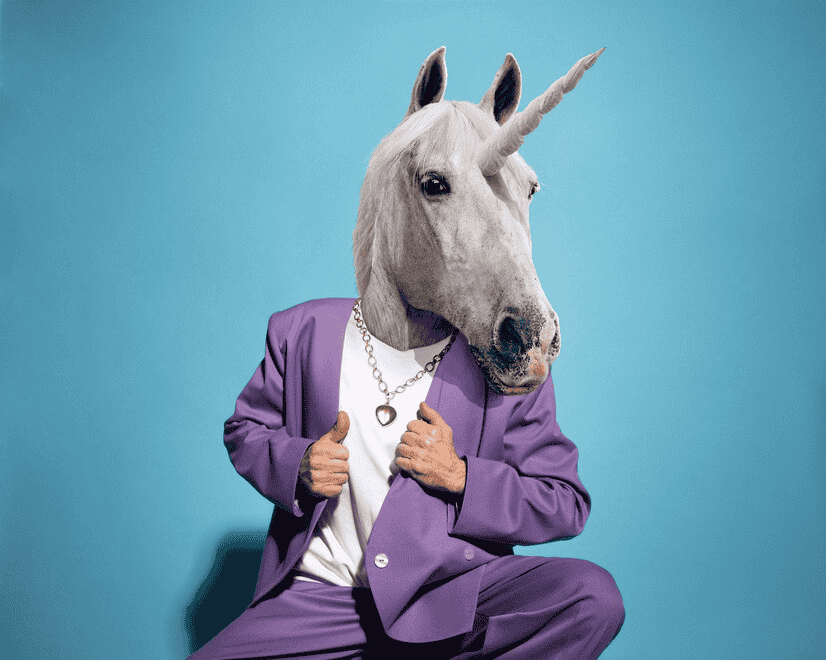
- Mythical Creatures: Dragons, unicorns, or fairies add an element of fantasy and intrigue.
- Abstract Characters: Think of shapes, colours, or unique designs representing your brand’s essence.
Encourage out-of-the-box thinking. The more creative your ideas, the more unique and memorable your mascot can be.
Sketch The Initial Design
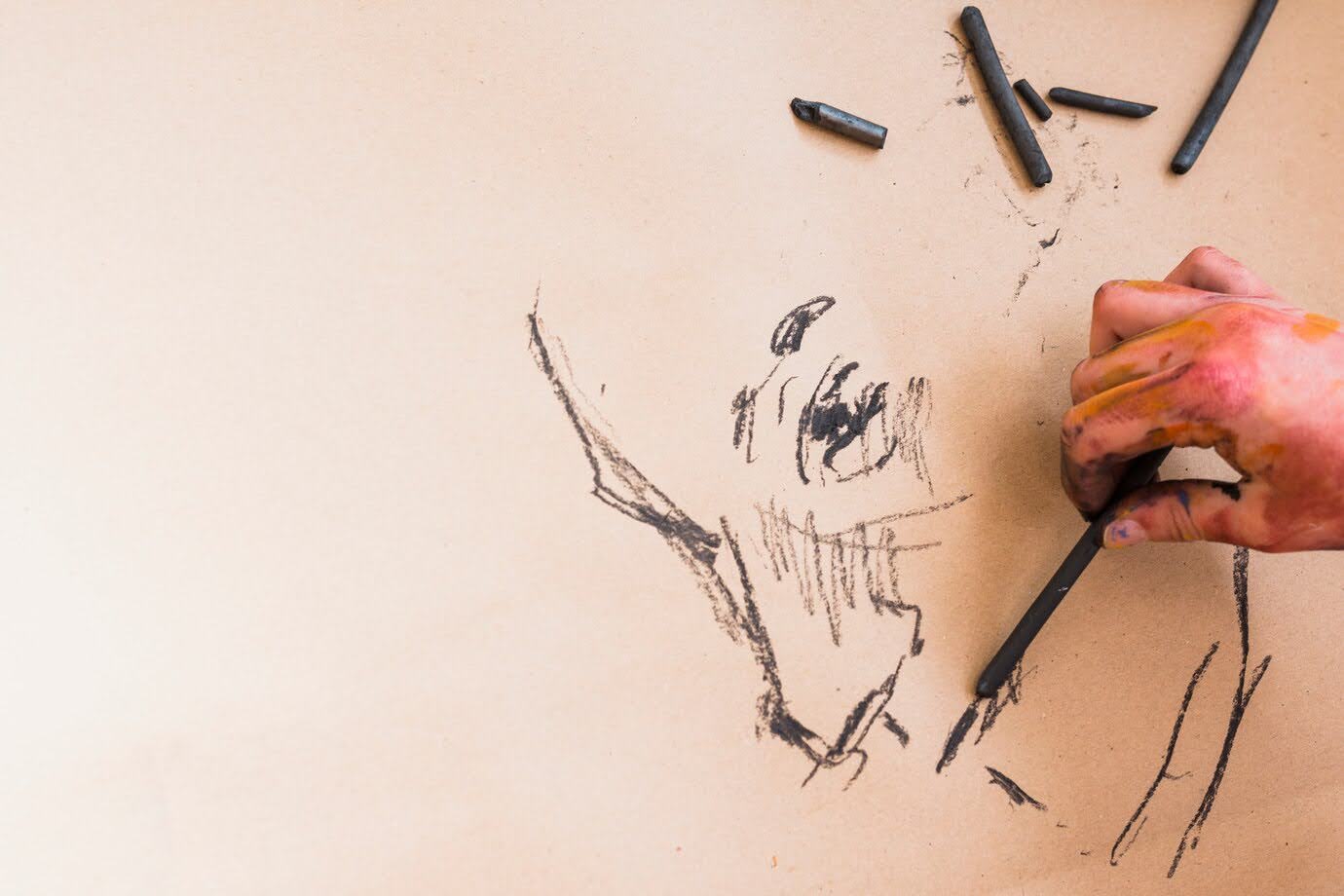
Now, it’s time to bring your ideas to life on paper. Begin with rough sketches to outline your mascot’s basic structure and features. Don’t worry about perfection at this stage—the goal is to explore different possibilities.
When sketching, keep the following elements in mind:
- Simplicity: The best mascots are easy to recognise and replicate. Avoid overly complex details that might confuse the audience or make production difficult.
- Distinct Features: To make your mascot memorable, add unique traits like expressive eyes, quirky accessories, or an iconic pose.
- Proportions: Pay attention to proportions, especially if your mascot will become a costume. It should look balanced and visually pleasing.
Consider creating multiple mascot variations to see which design resonates most with your team.
Refine The Mascot’s Appearance
Once you’ve selected a concept, refine the design to make it more polished and professional. This stage often involves transferring your sketch to digital tools like Adobe Illustrator, CorelDRAW, or Procreate.
Digital tools allow for precise adjustments to:
- Add Color: Choose a palette that complements your brand’s visual identity. Bright colours might work for a playful mascot, while muted tones can convey sophistication.
- Enhance Details: Define textures, outlines, and intricate patterns that add depth to your design.
- Ensure Scalability: Design your mascot to look great across different platforms, from social media avatars to billboards.
Keep the mascot versatile—ensure the design can adapt to different poses, expressions, and environments.
Add Personality To Your Mascot
A great mascot is more than just a visual—a character with personality. Take the time to define traits that will make your mascot relatable and engaging.
Consider the following aspects of personality:
- Voice: Is your mascot playful, authoritative, or quirky? If it speaks or interacts, its tone should reflect its character.
- Behaviour: Will your mascot be energetic and fun or calm and reassuring?
- Story: Create a backstory for your mascot. Why does it represent your brand, and what is its mission?
A mascot with a well-developed personality becomes a character people want to interact with, increasing audience engagement.
How To Make A Mascot Costume
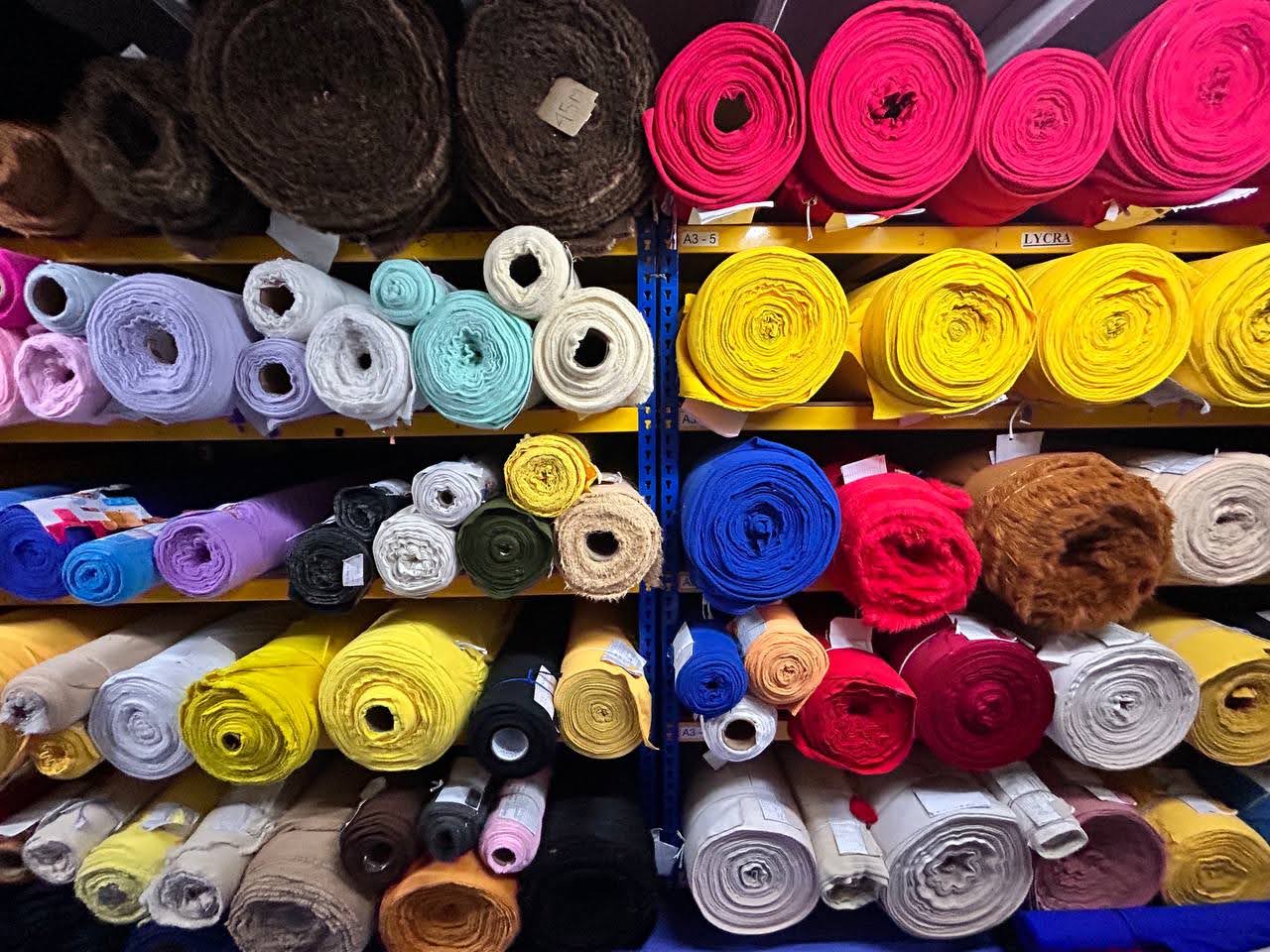
Turning your design into a real-life mascot costume requires careful planning and collaboration with professional manufacturers. Here’s how to ensure your costume aligns with your design:
- Material Selection: Use lightweight, durable, and breathable materials to ensure the performer’s comfort and safety.
- Focus on Mobility and Visibility: The costume should allow the performer to move freely and see clearly. This improves interactions and reduces safety risks.
- Include Detachable Accessories: Features like removable hats, props, or tails make the costume versatile and easier to maintain.
- Test the Fit: Conduct fitting sessions to ensure the costume is practical and comfortable for the performer. Collaborate closely with your manufacturer to bring your design to life without compromising quality.
Test The Mascot With Your Audience
Before officially launching your mascot, test it with a small focus group to gather feedback. Share sketches, prototypes, or costume photos with your employees, students, or target customers.
Ask for input on:
- The mascot’s visual appeal.
- Whether it aligns with your brand identity.
- It’s the potential to engage your audience.
This feedback is invaluable for making final tweaks to ensure your mascot resonates with its intended audience.
Launch And Promote Your Mascot
A successful mascot launch can create buzz and excitement. Consider the following strategies:
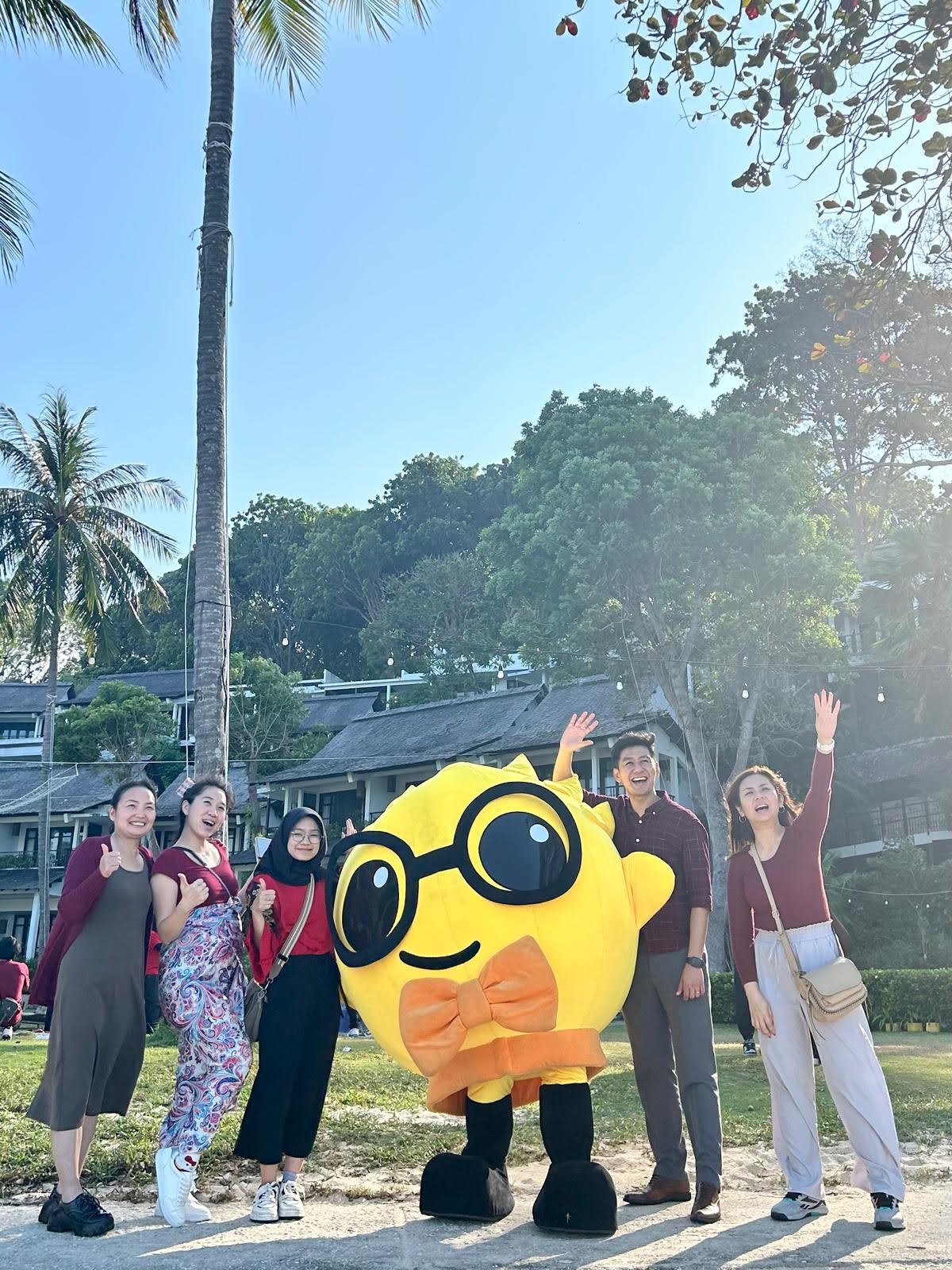
- Host a Grand Unveiling Event: Introduce the mascot at a community gathering, school rally, or company party.
- Create Social Media Campaigns: Build anticipation with teaser posts, countdowns, or a naming contest.
- Incorporate the Mascot in Marketing Materials: To maximise exposure, feature it in ads, videos, merchandise, and event appearances.
A mascot isn’t just a one-time investment—it’s an ongoing ambassador for your brand. Use it consistently to keep your audience engaged.
Conclusion About Designing A Mascot
Designing a mascot is a blend of creativity and strategy. From understanding its purpose to refining its design brand’s branding costume, every step is an opportunity to showcase your brand’s identity.
A well-designed mascot becomes more than just a character—it becomes a memorable symbol that connects your audience and strengthens your brand.
Ready to create your perfect mascot? Contact Mascot Enterprise today to bring your vision to life with professional design and manufacturing services. Let’s make your mascot the face of your brand!
Frequently Asked Questions About Mascot Design
What Is The Best Way To Store My Mascot Costume?
Store your mascot in a clean, climate-controlled environment. Use padded hangers for large pieces and breathable storage bins for accessories. Avoid direct sunlight or humid conditions to prevent fading and mould.
Inflatable Vs. Traditional Mascots: Which Should I Choose?
Inflatable mascots are lightweight and attention-grabbing, ideal for large events. Traditional mascots offer greater mobility and detailed design, making them suitable for interactive settings. Consider your mascot’s intended use and audience engagement needs.
What Are The Pros And Cons Of An Inflatable Mascot?
Pros: Easy to transport, eye-catching, and quick to set up.
Cons: Limited mobility, requires a power source, and is less durable than traditional mascots.
How Can I Make My Mascot As Famous As Labubu Or Butter Bear?
To increase your mascot’s fame, focus on consistent branding, unique personality traits, and active engagement through social media and public events. Collaborate with influencers or create viral content featuring your mascot.
{
“@context”: “https://schema.org”,
“@type”: “FAQPage”,
“mainEntity”: [{
“@type”: “Question”,
“name”: “How Do You Choose The Right Mascot For Your Brand?”,
“acceptedAnswer”: {
“@type”: “Answer”,
“text”: “Choosing the right mascot involves understanding your brand’s values, target audience, and overall identity. The mascot should reflect the essence of what your brand stands for, whether it’s fun, professional, adventurous, or caring.
For example, a playful, colourful character might work well for a children’s brand, while a more sophisticated or bold mascot would suit a corporate entity.
The mascot’s personality should align with your brand’s voice and appeal to your intended audience, ensuring it can be consistently used across all marketing platforms.”
}
},{
“@type”: “Question”,
“name”: “Can a Mascot Help In Increasing Sales Or Revenue?”,
“acceptedAnswer”: {
“@type”: “Answer”,
“text”: “Yes, a well-designed mascot can play a significant role in increasing sales and revenue by enhancing brand recognition and fostering emotional connections with customers.
Mascots act as a memorable, friendly face for the brand, and when used effectively in marketing campaigns, they can drive engagement, loyalty, and ultimately conversions.
For instance, mascots can be incorporated in promotional activities, advertisements, or special events to create excitement and encourage consumers to make purchases.”
}
},{
“@type”: “Question”,
“name”: “How Do Mascots Impact Customer Loyalty?”,
“acceptedAnswer”: {
“@type”: “Answer”,
“text”: “Mascots contribute to customer loyalty by creating a sense of familiarity and warmth. Over time, as customers repeatedly interact with the mascot through ads, social media, or in-person events, they develop a connection to it.
This emotional bond extends to the brand, fostering a deeper sense of trust and preference. When a customer feels personally connected to a mascot, they are more likely to become repeat buyers and advocates of the brand, thus increasing customer retention.”
}
},{
“@type”: “Question”,
“name”: “Can A Mascot Evolve Over Time?”,
“acceptedAnswer”: {
“@type”: “Answer”,
“text”: “Yes, a mascot can evolve over time. In fact, many companies have updated their mascots to stay relevant and align with shifting market trends or changes in brand positioning.
However, when updating a mascot, it’s essential to retain the core characteristics that made the original design successful to preserve recognition and emotional attachment.
This evolution may include changes in colour, style, or personality traits, ensuring the mascot remains fresh and appealing to new generations of customers.”
}
}]
}
More Resources
All Other Blogs