Choosing The Perfect Mascot For Your Event: A Comprehensive Guide
A mascot is more than just a figure or costume; it represents the heart and soul of an event, brand, or organisation. Whether you’re organising a corporate event, a school sports day, or a community festival, choosing the perfect mascot can significantly impact you.
But how do you ensure your mascot embodies your vision and resonates with your audience? This guide will walk you through the essential steps to choosing the perfect mascot for your event.
How To Choose The Perfect Mascot for Your Event
Selecting the ideal mascot requires careful planning and consideration. Follow these steps to make an informed decision:
1. Define Your Event’s Goals and Audience
Understanding the purpose of your event and the audience you aim to attract is the foundation of choosing the perfect mascot. Ask yourself:
- What message do I want the mascot to convey?
- Who is my target audience? (e.g., children, professionals, families)
- What emotions or actions do I want the mascot to inspire?
For example, a family-friendly festival may benefit from a cheerful and approachable character, while a corporate event might require a mascot that exudes professionalism and confidence.
2. Align With Your Event Theme
The mascot’s design should reflect the overarching theme of your event. If your event has a sports theme, consider an athletic character. Choose a mascot that resonates with the location or heritage for cultural or historical events.
Example:
- Event Theme: Environmental awareness
- Mascot: A friendly animal, like a green turtle or a smiling tree, symbolising nature and conservation.
3. Brainstorm Creative Concepts
Engage your team or stakeholders in brainstorming sessions to generate unique mascot ideas. Use these tips to fuel creativity:
- Focus on elements related to your event or organisation, such as logos, slogans, or colours.
- Consider popular themes or characters that resonate with your target demographic.
- Sketch multiple designs and seek feedback from others.
4. Prioritise Simplicity And Memorability
A simple and striking design ensures that your mascot will be easily recognisable and memorable. Avoid overly complicated features that confuse your audience or make the mascot difficult to recreate on promotional materials.
For instance, Mickey Mouse’s iconic three-circle design has made it recognisable and easy to replicate.
Similarly, the Geico Gecko’s simple yet effective design ensures it is memorable and adaptable across various marketing platforms. These examples demonstrate the power of simplicity in fostering strong brand connections.
5. Choose The Right Materials And Costume Design
Comfort and practicality are paramount when designing a physical mascot costume. Consider these factors:
- Weight and Mobility: Ensure the costume is lightweight and allows free movement.
- Breathability: Include ventilation for the performer’s comfort.
- Durability: Use high-quality materials to withstand multiple uses.
6. Incorporate Branding Elements
Your mascot should serve as an extension of your branding. Incorporate your event’s colours, logos, or slogans into the design. This strengthens brand recognition and ties the mascot closely to your event.
7. Test And Refine Your Mascot
Before unveiling your mascot, conduct test runs. Gather feedback from a sample audience to evaluate:
- How well the mascot communicates your message.
- Its appeal and engagement with the target demographic.
- The comfort and practicality of the costume design.
Refine the design or concept based on constructive feedback to ensure your mascot’s success.
What Makes A Mascot Perfect?
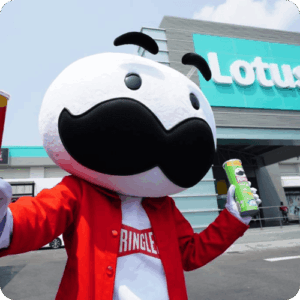
A perfect mascot is memorable, relatable, and meaningful. It should:
- Represent Your Brand or Theme: The mascot must align with your event’s purpose and values.
- Engage the Audience: A good mascot connects with the audience, evoking emotions and encouraging participation.
- Be Visually Appealing: Eye-catching designs ensure your mascot stands out in a crowd.
- Offer Practicality: The costume or representation should be comfortable and functional for the individual playing the role.
Benefits Of Choosing The Perfect Mascot For Your Event
A well-chosen mascot can provide numerous benefits, including:
- Increased Engagement: Aflac Duck’s quirky and engaging personality has helped the insurance company connect with a wide audience by making its brand more approachable.
- Stronger Branding: Tony the Tiger has been synonymous with Frosted Flakes, reinforcing the product’s identity and values of strength and greatness.
- Memorability: The Monopoly Man’s distinct appearance ensures people instantly associate him with the classic board game, enhancing its recall value.
- Versatility: Characters like Smokey Bear, initially created for wildfire prevention campaigns, have been successfully adapted for educational programs and merchandise over decades.
- Increased Engagement: Mascots capture attention and encourage audience interaction.
- Stronger Branding: A mascot acts as a symbol of your event, enhancing brand recognition and recall.
- Memorability: Attendees are likely to remember your event if it features a standout mascot.
- Versatility: Mascots can be used across various media, from social media campaigns to on-site promotions.
Examples Of Successful Event Mascots
1. The Olympics’ Mascots
Olympic Games mascots are carefully designed to reflect the host country’s culture and spirit. For instance, the 2016 Rio Olympics featured Vinicius, a vibrant and playful mascot inspired by Brazilian wildlife, symbolising the country’s rich biodiversity and cheerful spirit.
Similarly, the 2020 Tokyo Olympics introduced Miraitowa, a futuristic character that combined traditional Japanese aesthetics with advanced design, representing innovation and resilience.
These mascots effectively communicated their themes while engaging audiences worldwide, teaching us the importance of cultural relevance and emotional connection in mascot design.
The Beijing 2008 Olympics mascots, the Fuwa, highlighted Chinese culture and diversity with their bright designs and meaningful symbols. For Paris 2024, the Phryges, inspired by France’s iconic liberty caps, bring a fun and modern twist to a historic symbol. Both mascots added personality to the events, making them more engaging and memorable.
2. Corporate Event Mascots
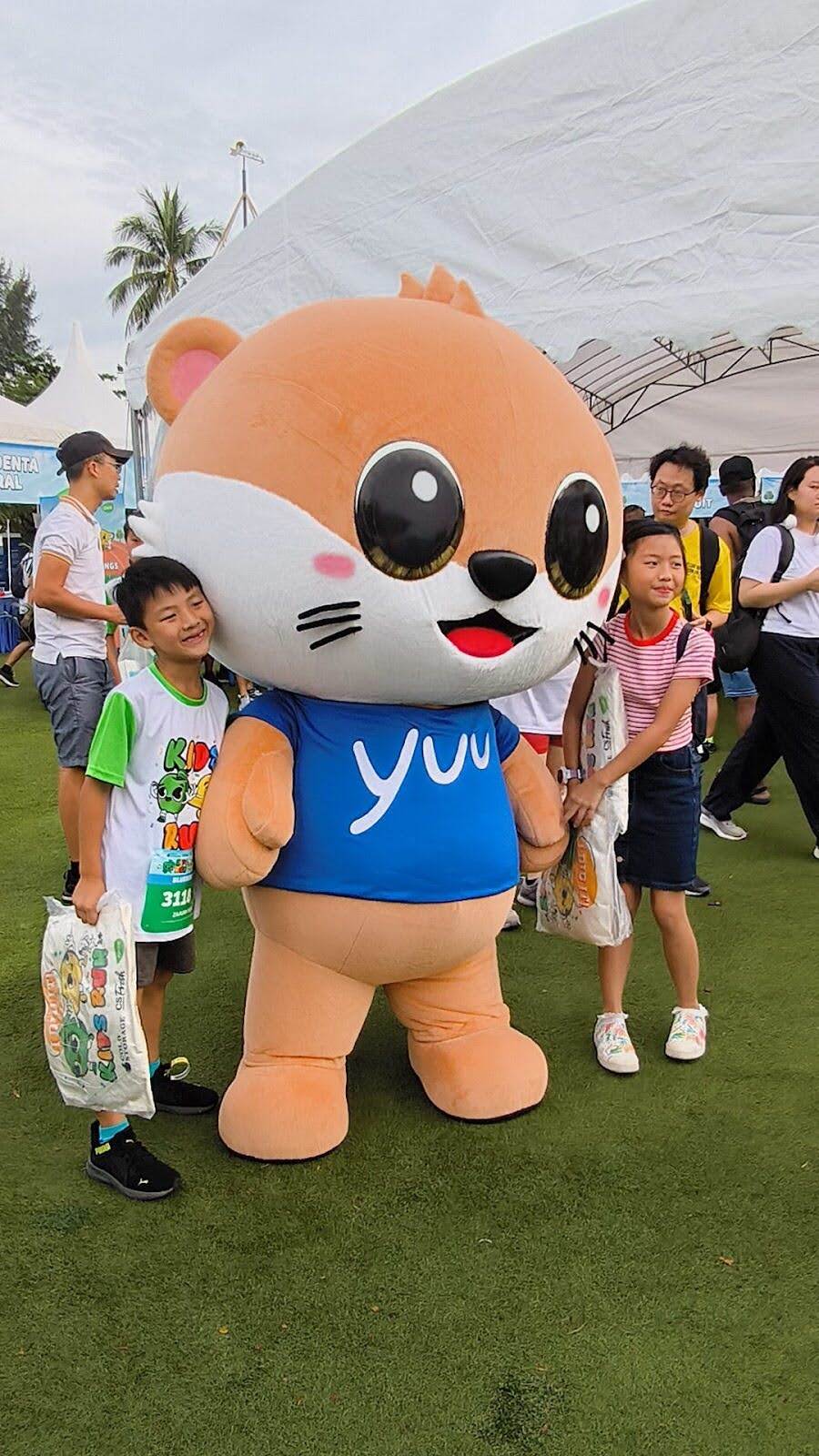
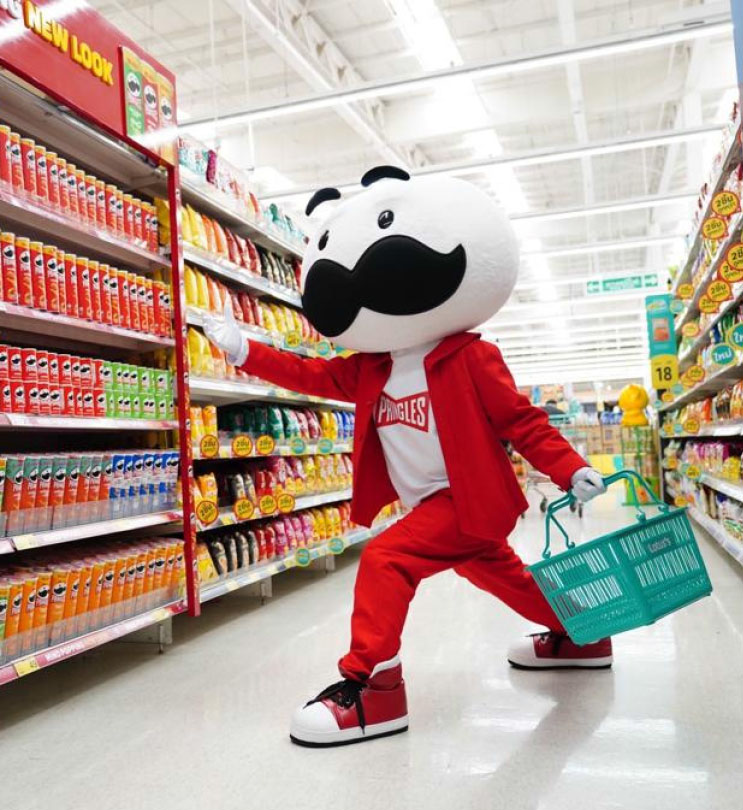
Many companies use mascots to humanise their brand during events. For instance, the Michelin Man often appears at Michelin-related events, reinforcing brand identity and creating a relatable connection with attendees.
3. Community Festivals
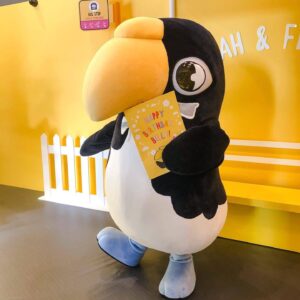
Local festivals often feature mascots inspired by regional traditions or landmarks, fostering a sense of community pride and participation.
Tips For Maintaining Mascot Longevity
Once you’ve chosen the perfect mascot, ensure its longevity and relevance by:
- Updating the Design: Refresh the mascot periodically to keep it modern and engaging.
- Expanding Its Role: Use the mascot beyond the event—in advertisements, merchandise, or social media.
- Engaging with the Audience: Create a backstory or personality for the mascot to deepen its connection with your audience.
Conclusion On The Perfect Mascot For Your Event
Choosing the perfect mascot for your event is a creative and strategic process that can elevate your event’s success.
By aligning the mascot with your goals, theme, and audience and focusing on practicality and branding, you can create a memorable symbol that resonates with attendees. Remember, the right mascot doesn’t just represent your event—it becomes an integral part of its story.
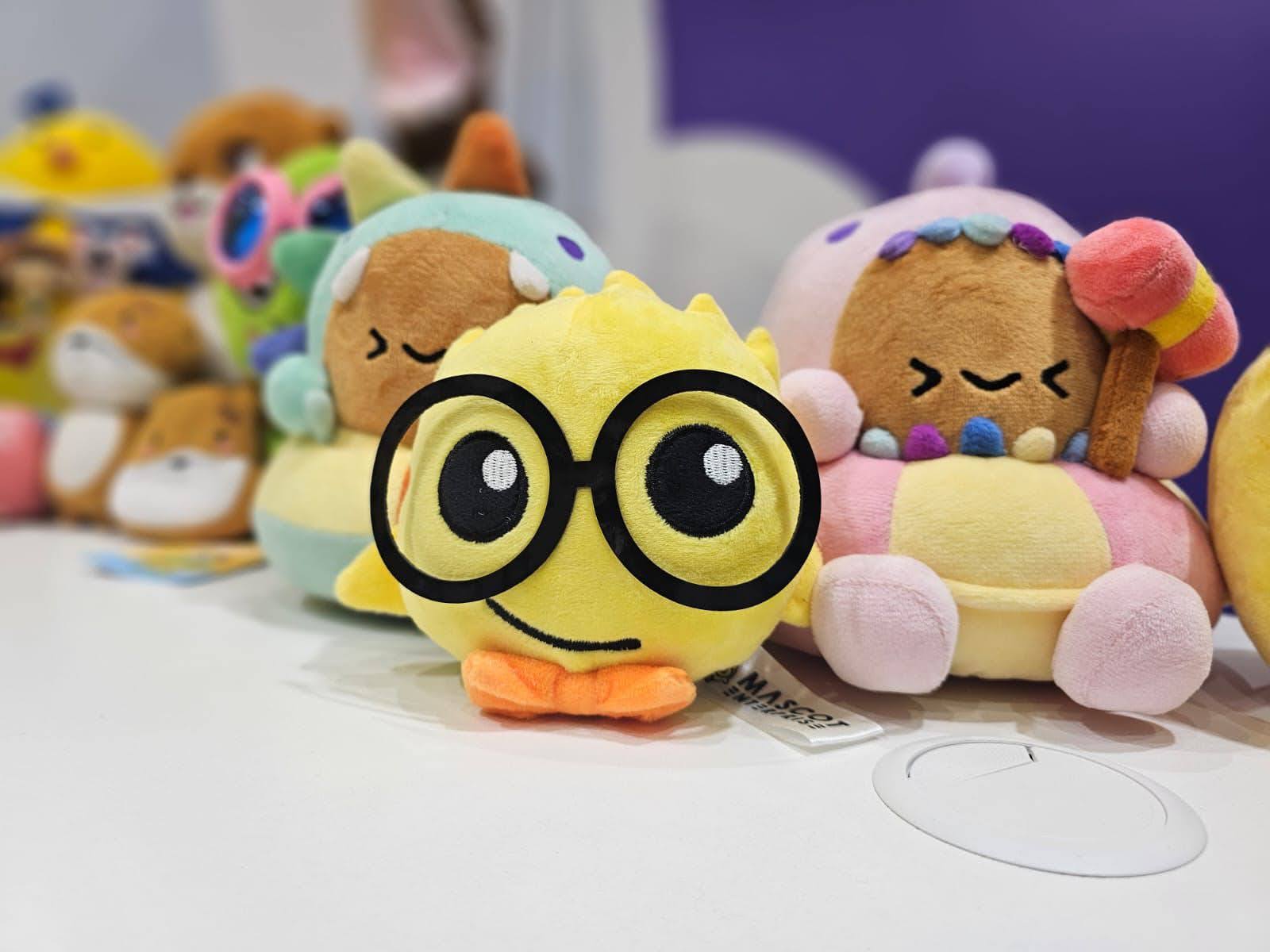
If you’re looking for expert guidance in creating a mascot that captures your vision and engages your audience, contact Mascot Enterprise today. Our team specialises in designing custom mascots tailored to your event’s unique needs and goals.
Check out our portfolio for more insight!
Frequently Asked Questions On The Perfect Mascot For Your Event
How Much Does It Cost To Create A Custom Mascot?
The cost of creating a custom mascot can vary widely based on factors like design complexity, materials, and whether it’s a digital or physical mascot. Simple designs may cost a few hundred pounds, while intricate costumes cost thousands.
What Are The Legal Considerations When Designing A Mascot?
Ensure that your mascot design does not infringe on existing trademarks or copyrights. It’s advisable to consult with a legal expert to secure intellectual property rights for your mascot.
How Can I Make My Mascot Inclusive And Culturally Sensitive?
Conduct thorough research to avoid cultural misrepresentations or stereotypes. Include diverse perspectives during the design phase to ensure your mascot resonates positively across different audience groups.
Should I Hire A Professional Designer For My Mascot?
Hiring a professional designer or agency can be beneficial, especially if you need a high-quality, original design. Professionals can ensure that your mascot aligns with your brand and is practical for various uses.
What Materials Are Best For A Durable Mascot Costume?
Durable costumes often use lightweight foam, breathable fabric, and reinforced stitching. The choice of materials should balance durability with the comfort of the costumed performer.
{
“@context”: “https://schema.org”,
“@type”: “FAQPage”,
“mainEntity”: [{
“@type”: “Question”,
“name”: “How Much Does It Cost To Create A Custom Mascot?”,
“acceptedAnswer”: {
“@type”: “Answer”,
“text”: “The cost of creating a custom mascot can vary widely based on factors like design complexity, materials, and whether it’s a digital or physical mascot. Simple designs may cost a few hundred pounds, while intricate costumes cost thousands.”
}
},{
“@type”: “Question”,
“name”: “What Are The Legal Considerations When Designing A Mascot?”,
“acceptedAnswer”: {
“@type”: “Answer”,
“text”: “Ensure that your mascot design does not infringe on existing trademarks or copyrights. It’s advisable to consult with a legal expert to secure intellectual property rights for your mascot.”
}
},{
“@type”: “Question”,
“name”: “How Can I Make My Mascot Inclusive And Culturally Sensitive?”,
“acceptedAnswer”: {
“@type”: “Answer”,
“text”: “Conduct thorough research to avoid cultural misrepresentations or stereotypes. Include diverse perspectives during the design phase to ensure your mascot resonates positively across different audience groups.”
}
},{
“@type”: “Question”,
“name”: “Should I Hire A Professional Designer For My Mascot?”,
“acceptedAnswer”: {
“@type”: “Answer”,
“text”: “Hiring a professional designer or agency can be beneficial, especially if you need a high-quality, original design. Professionals can ensure that your mascot aligns with your brand and is practical for various uses.”
}
},{
“@type”: “Question”,
“name”: “What Materials Are Best For A Durable Mascot Costume?”,
“acceptedAnswer”: {
“@type”: “Answer”,
“text”: “Durable costumes often use lightweight foam, breathable fabric, and reinforced stitching. The choice of materials should balance durability with the comfort of the costumed performer.”
}
}]
}
More Resources
All Other Blogs