The Crucial Role Of A Mascot Handler
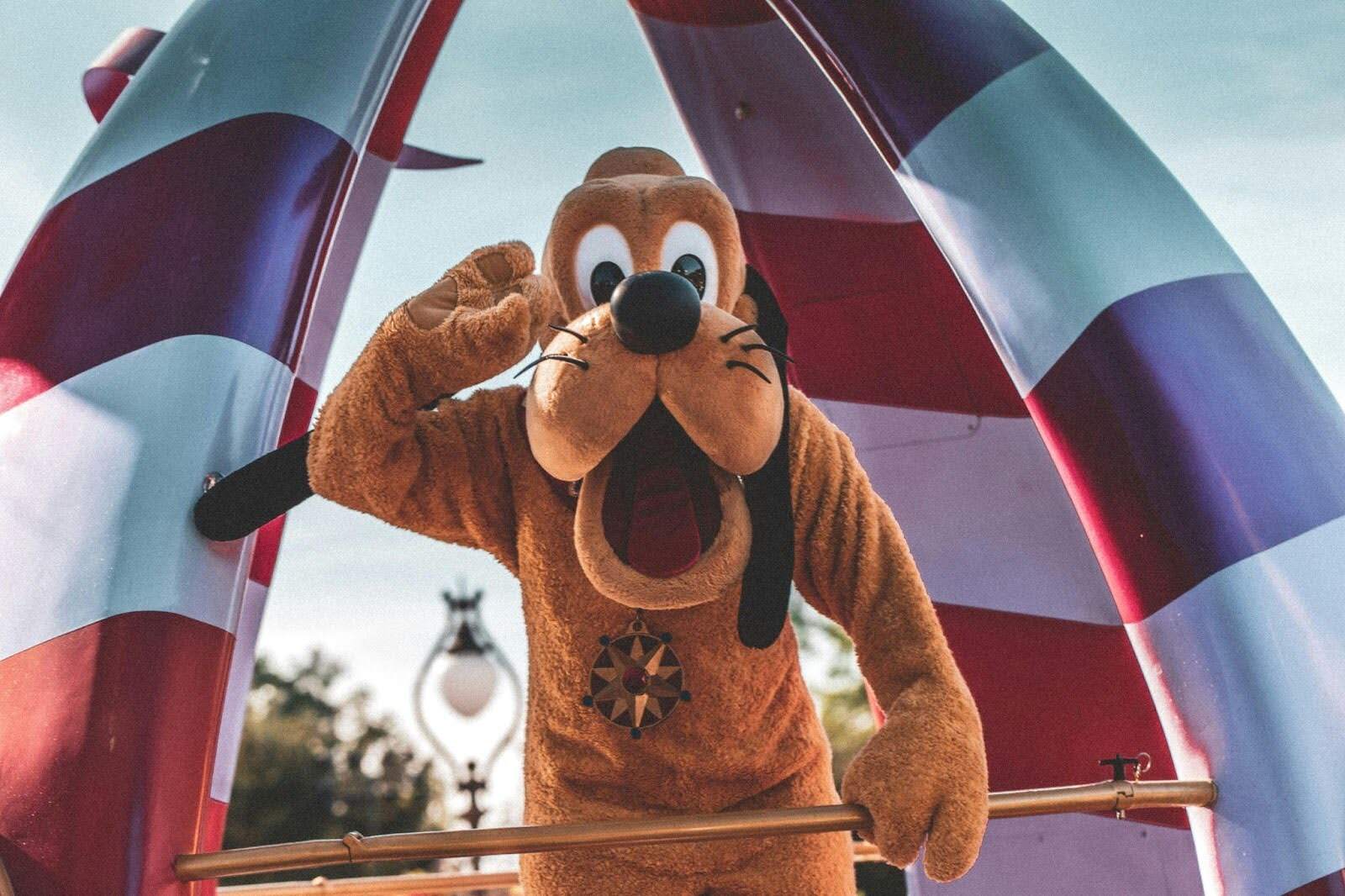
Mascots are often the heart of events, bringing energy, excitement, and connection to audiences of all ages. However, behind every successful mascot performance is a dedicated individual working hard to ensure everything goes smoothly: the mascot handler.
This essential role is critical for maintaining safety, managing logistics, and preserving the magic of the mascot experience. Let’s explore the vital responsibilities of a mascot handler, why their role is so important, and how they contribute to the success of events.
What Is A Mascot Handler?
A mascot handler is a support person who assists mascot performers during events. Their main responsibility is ensuring the safety and effectiveness of the mascot’s performance while managing the logistics and interactions surrounding the event. The handler’s job is multifaceted and indispensable, from crowd control to mascot costume maintenance.
Key Characteristics Of A Mascot Handler
To excel in this role, a mascot handler must possess certain traits, including:
- Attentiveness: Staying alert to the mascot’s condition and the environment.
- Communication Skills: Relaying instructions between the mascot performer and event organizers.
- Adaptability: Handling unexpected challenges with a calm and resourceful attitude.
An excellent mascot handler combines these traits with a passion for creating memorable experiences.
Why Is A Mascot Handler Important?
Ensuring The Mascot’s Safety
Mascot performers face challenges like restricted visibility, heat, and large crowds. Handlers are responsible for:
- Guiding the mascot through crowded areas.
- Preventing accidents by managing audience interactions.
- Monitoring the performer’s condition to ensure they stay hydrated and comfortable.
Maintaining The Mascot’s Character Integrity
The handler ensures the mascot remains in character at all times by:
- Keeping the performer discreet during breaks or costume adjustments.
- Helping the mascot maintain their persona while interacting with audiences.
- This preserves the magic and mystery that mascots bring to events.
Enhancing Performance Effectiveness
Mascot handlers assist with props, cues, and timing to maximise the mascot’s impact. They also facilitate seamless interactions between the mascot and the audience, ensuring a memorable experience.
What Does A Mascot Handler Do?
Pre-Event Preparations
Before the event begins, a mascot handler takes care of several important tasks, including:
- Reviewing the event schedule and performance plan.
- Inspecting the mascot costume to ensure it’s clean, intact, and ready to wear.
- Planning logistics, such as entry and exit routes for the mascot.
Crowd Control During Events
Handlers manage the audience to create safe and enjoyable interactions. It includes:
- Preventing overly enthusiastic attendees from overwhelming the mascot.
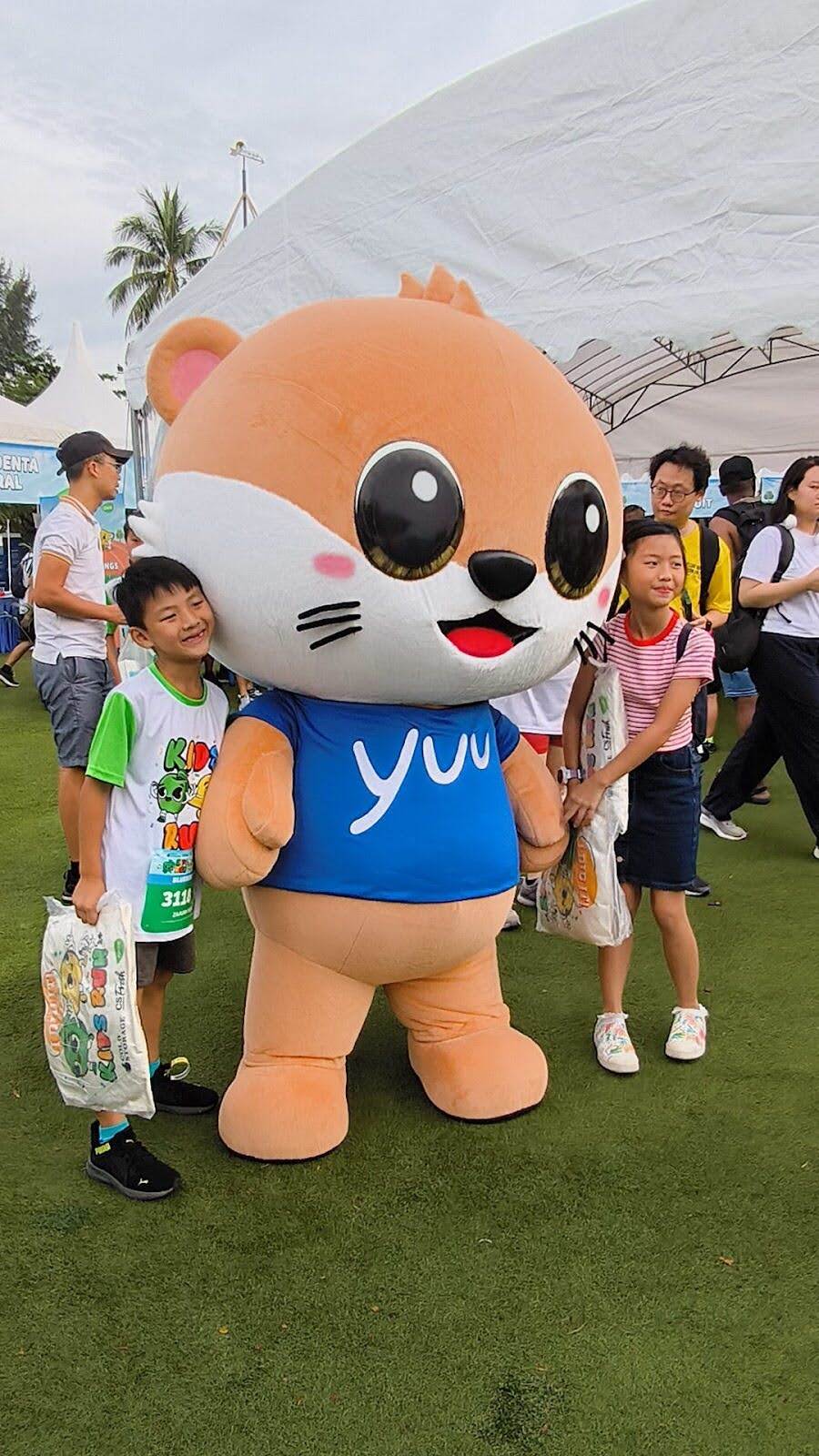
- Guiding photo opportunities and meet-and-greets.
- Maintaining a buffer zone around the mascot.
Communication Between Mascot And Organizers
Since mascot performers have limited visibility and cannot speak while in character, handlers act as their voice. They relay instructions, feedback, and updates between the performer and event staff.
Emergency Response
In case of unforeseen issues, such as costume malfunctions or health concerns, handlers step in quickly to resolve the situation. Their preparedness ensures minimal disruption to the performance.
The Mascot Handler’s Toolkit
A mascot handler should always have the following items on hand:
- Water bottles: To keep the mascot performer hydrated.
- Repair kits: These are for quick fixes to the costume.
- Towels: To manage sweat and maintain comfort.
- First-aid kits: For minor injuries or emergencies.
Using effective communication tools is crucial. Handlers often rely on:
- Radios/walkie-talkies: To stay in touch with event organizers.
- Hand signals: To communicate discreetly with the mascot.
- Smartphones: For real-time updates and coordination.
Best Practices For Being An Effective Mascot Handler
Stay Attentive And Observant
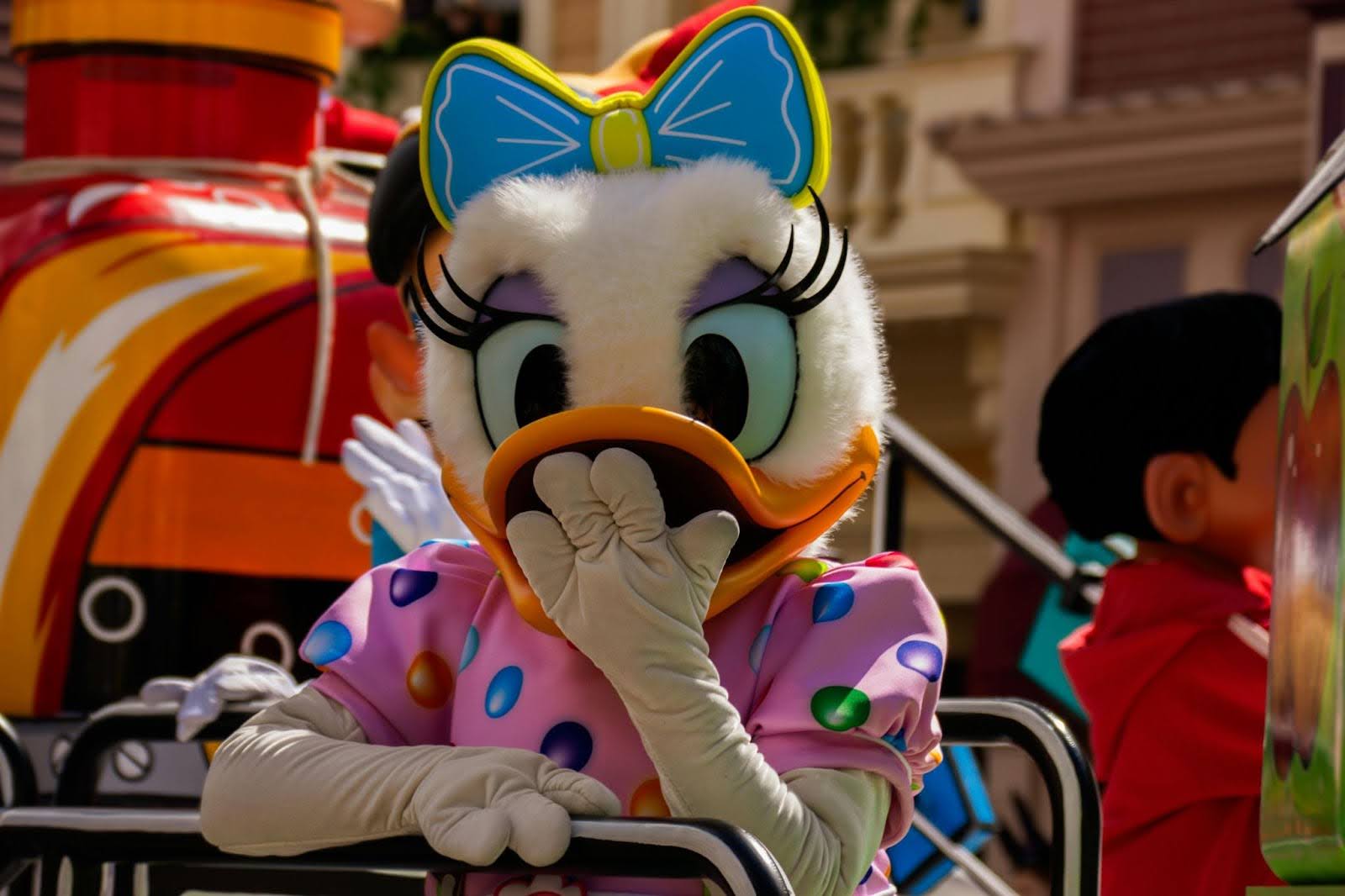
Handlers must remain vigilant, monitoring the mascot’s surroundings and physical condition. It ensures a safe and enjoyable experience for everyone.
Learn The Mascot’s Character
Understanding the mascot’s personality, gestures, and role helps the handler provide consistent support. It includes knowing how the mascot typically interacts with audiences.
Be Proactive In Problem-Solving
Anticipating challenges, such as sudden weather changes or equipment failures, allows handlers to address issues before they escalate.
Challenges Mascot Handlers Face
Managing Over-Enthusiastic Crowds
Some audiences can become overly excited, leading to safety risks for the mascot and attendees. Handlers must diplomatically manage these situations while keeping the atmosphere positive.
Balancing Multiple Tasks
From crowd control to mascot costume maintenance, handlers must manage several responsibilities simultaneously. Staying organised is key to managing these demands effectively.
Ensuring Performer Comfort In Extreme Conditions
Mascot costumes can become uncomfortable in hot or humid weather. Handlers help by ensuring breaks, hydration, and proper ventilation for the performer.
Importance Of Training For Mascot Handlers
Various organisations offer specialised training for mascot handlers. These programs teach essential skills like crowd management, emergency response, and effective communication. A trained mascot handler contributes to smoother performances, enhanced safety, and a more professional image for the event.
Conclusion About Mascot Handlers In Event Success
Mascot handlers play a crucial role in creating memorable and seamless mascot performances. Ensuring safety, maintaining character integrity, and managing logistics allow mascots to shine and audiences to enjoy a magical experience.
Looking to elevate your mascot performances? Partner with Mascot Enterprise for expert solutions, training, and support to make your events unforgettable!
Frequently Asked Questions About Mascot Handlers
What Is A Mascot Handler’s Primary Responsibility?
The primary responsibility of a mascot handler is to ensure the safety, effectiveness, and success of the mascot’s performance during events.
Do Mascot Handlers Need Special Training?
While not always mandatory, specialised training equips handlers with the skills to handle challenges and deliver exceptional results.
How Many Mascot Handlers Are Needed For One Mascot?
The number depends on the event size and complexity. Large events may require multiple handlers, while smaller gatherings might need only one.
What Tools Should A Mascot Handler Have?
Mascot handlers should carry water bottles, repair kits, towels, first-aid supplies, and communication devices like radios or smartphones.
{
“@context”: “https://schema.org”,
“@type”: “FAQPage”,
“mainEntity”: [{
“@type”: “Question”,
“name”: “What Is A Mascot Handler’s Primary Responsibility?”,
“acceptedAnswer”: {
“@type”: “Answer”,
“text”: “The primary responsibility of a mascot handler is to ensure the safety, effectiveness, and success of the mascot’s performance during events.”
}
},{
“@type”: “Question”,
“name”: “Do Mascot Handlers Need Special Training?”,
“acceptedAnswer”: {
“@type”: “Answer”,
“text”: “While not always mandatory, specialised training equips handlers with the skills to handle challenges and deliver exceptional results.”
}
},{
“@type”: “Question”,
“name”: “How Many Mascot Handlers Are Needed For One Mascot?”,
“acceptedAnswer”: {
“@type”: “Answer”,
“text”: “The number depends on the event size and complexity. Large events may require multiple handlers, while smaller gatherings might need only one.”
}
},{
“@type”: “Question”,
“name”: “What Tools Should A Mascot Handler Have?”,
“acceptedAnswer”: {
“@type”: “Answer”,
“text”: “Mascot handlers should carry water bottles, repair kits, towels, first-aid supplies, and communication devices like radios or smartphones.”
}
}]
}
More Resources
All Other Blogs