3 Important Roles of Mascots in Branding: Strategies for Success
In the competitive world of business, creating wow mascots for brand recognition is more important than ever. One powerful tool many companies use to achieve this is a mascot.
Mascots have been around for decades, and their role in branding has only grown as consumer interaction and brand recognition become increasingly important.
In this blog, we’ll explore the importance of mascots in branding, the strategies behind their success, and how to implement mascot branding strategies that elevates brand recognition.
Mascots are more than just fun characters; they are a direct representation of a brand’s personality and values. A well-designed mascot helps establish a connection with the audience, evoking emotions and creating memories that can last a lifetime.
1. Mascots Build Emotional Connections
One of the best things about mascots in branding is how they help create emotional connections with people. A fun character or figure that’s easy to love makes it much easier for people to remember your brand. It’s like having a friendly face they can connect with, which often leads to long-term loyalty.
Think of iconic mascots like Tony the Tiger from Kellogg’s or the Michelin Man from Michelin tyres. These guys have been around for years, making their brands instantly recognisable. Whether they’re promising a great breakfast or keeping you safe on the road, these mascots bring a sense of trust and familiarity that keeps customers coming back.
2. Standing Out In A Crowded Market
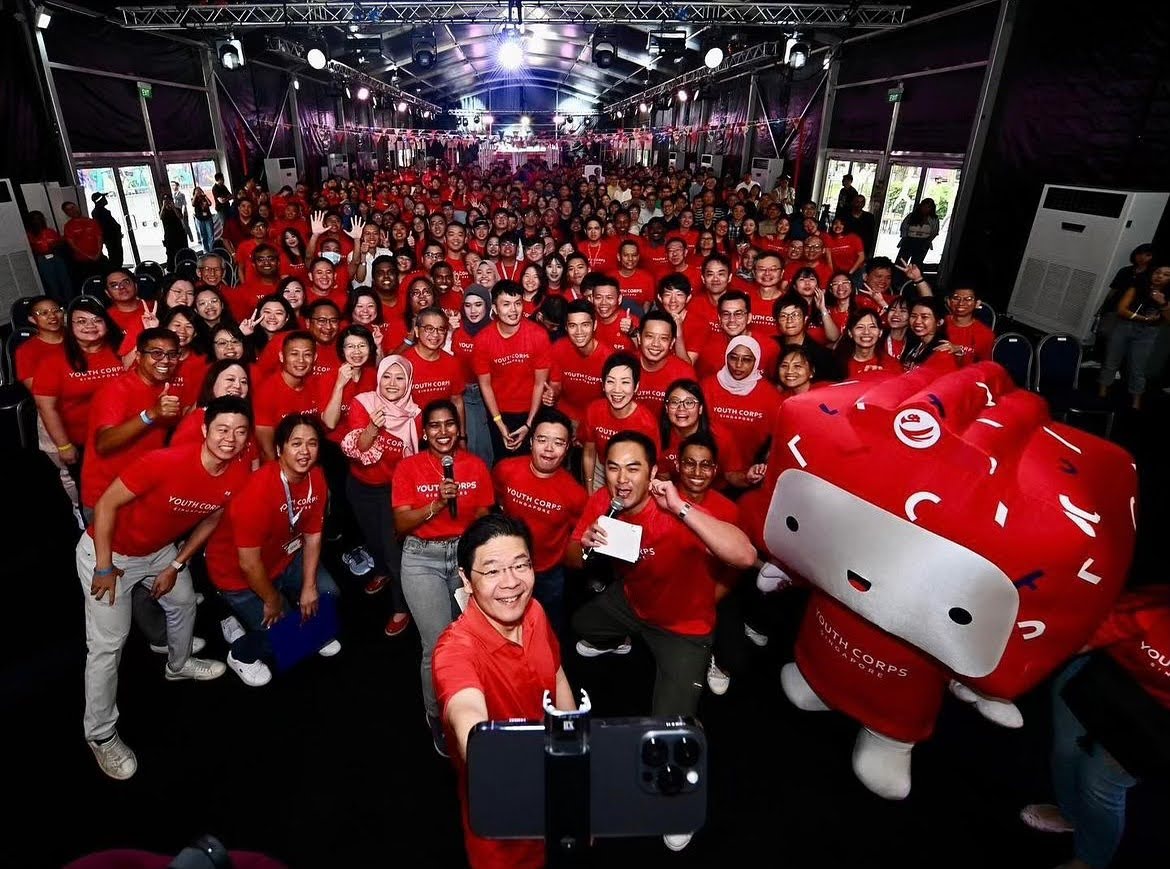
With so many ads and campaigns constantly competing for attention, it can be tough for any brand to stand out. That’s where mascots come in! Mascots for brand recognition offer a creative way to cut through the clutter.
By giving your brand a unique personality, mascots help you catch the audience’s attention and stick in their memory. A well-designed mascot sets your company apart, making sure it doesn’t just blend in with the competition.
Plus, mascots can be everywhere—on TV, social media, or even at live events. The more places your mascot pops up, the more your brand stays top of mind for consumers, ensuring your visibility is consistent across different platforms.
3. Making Your Brand More Fun And Relatable
Another reason why mascots are so important in branding is that they can make your brand more fun and approachable.
Not every product or service is exciting by itself, but adding a playful or charming mascot can change how people see your brand. Mascots add a layer of personality and fun, making it easier for customers to relate to your business.
Think about how the Geico Gecko makes insurance seem less complicated and even a bit enjoyable, or how M&M’s quirky characters make candy even more entertaining.
A mascot helps humanise your brand, making it more enjoyable and engaging for customers to interact with. This relatability can turn casual customers into loyal fans who feel more connected to your company on a personal level.
Mascot Branding Strategies For Success
1. Define Your Brand’s Personality
Before creating a mascot, it’s important to understand the essence of your brand. What are your core values? How do you want your audience to perceive you?
The mascot should embody these characteristics. If your brand is playful and fun, a lively and animated mascot would make sense. However, if you represent a more serious or luxury-focused industry, the mascot’s design and demeanour should reflect that.
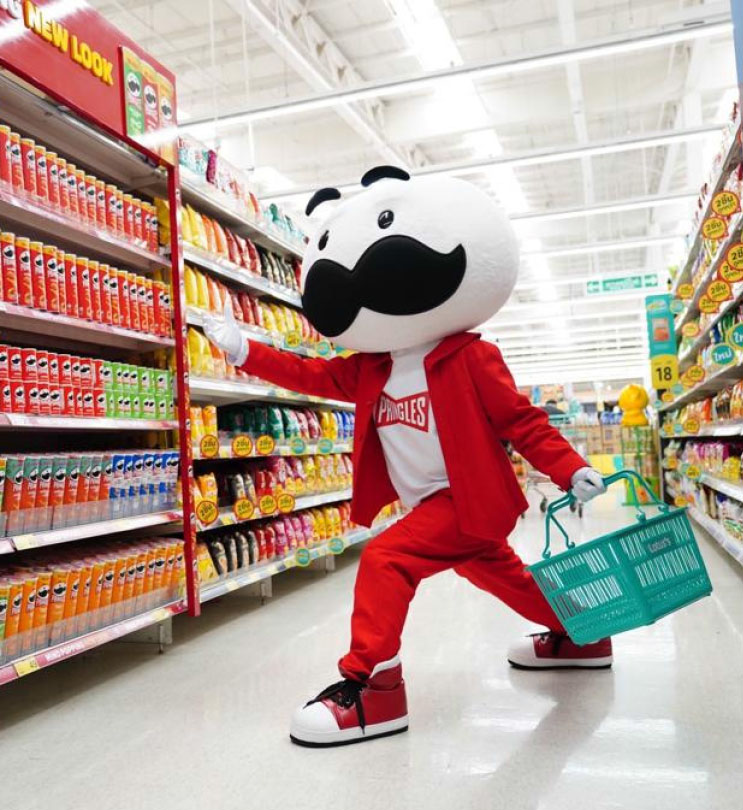
For instance, the suave and charming “Mr. Peanut” character used by Planters appeals to a more refined, classic sense of humour, matching the premium nature of their product.
On the other hand, mascots like the “Geico Gecko” use humour and a relatable persona to attract a broad audience. Defining your brand’s personality is a crucial first step in any mascot branding strategy.
2. Consistency Is Key
One of the most critical mascot branding strategies is maintaining consistency. Your mascot should appear across all of your branding efforts, from your website and social media to packaging and advertising campaigns.
Repetition reinforces your brand and makes your mascot synonymous with your product or service. Such consistency should also extend to the mascot’s messaging and personality.
Audiences should see the same character traits in every interaction. Whether the mascot is cheerful, wise, or witty, staying consistent ensures that the brand message remains clear.
3. Engage With Your Audience
Mascots can serve as excellent tools for customer engagement, especially in the digital age. Consider creating content that allows your audience to interact with your mascot.
Social media is a great platform for this. Running interactive campaigns where followers can ask questions, participate in contests, or share user-generated content with the mascot helps build stronger ties with your brand.
Companies like Coca-Cola have successfully implemented these tactics by using their iconic polar bear mascot in holiday campaigns, encouraging user interaction and sharing. This kind of engagement boosts both brand awareness and loyalty.
4. Evolve When Necessary
Although consistency is vital, it’s also important to allow your mascot to evolve with the times. Mascots, like brands, should grow and adapt to changes in consumer preferences, cultural trends, and societal norms. The challenge is to balance evolution without losing the mascot’s core identity.
An excellent example of this is the transformation of McDonald’s Ronald McDonald.
While the iconic clown character remains a symbol of the brand, he has undergone visual updates and personality tweaks to stay relevant to changing demographics and market trends. This adaptability is a hallmark of successful mascot branding.
How Mascots Enhance Brand Recognition
The key purpose of a mascot is to enhance brand recognition. A well-known mascot often becomes synonymous with a brand, serving as a visual shorthand that consumers instantly recognise. When done right, a mascot can elevate a company from just another brand to an icon in its industry.
The Power Of Visual Identity
Humans are naturally drawn to visuals. A mascot serves as a key part of your brand’s visual identity, offering a memorable image that sticks with consumers long after they’ve interacted with your product.
For example, children may not remember the name of a cereal brand, but they will almost certainly recall the fun, colourful mascot on the box. This visual identity is a critical aspect of mascots for brand recognition.
Building Trust And Familiarity
As mascots appear consistently across various media platforms, they become a familiar and trusted presence for consumers.
Familiarity breeds trust, and trust is a crucial factor in consumer decision-making. In many cases, consumers are more likely to choose a brand with a recognisable mascot over one without because they feel they “know” the brand already.
Successful Mascot Branding: Case Studies

There are numerous examples of successful mascot branding that demonstrate the power of mascots in boosting brand recognition and loyalty.
1. Colonel Sanders – KFC
Colonel Sanders is much more than just a man in a white suit; he’s the friendly face of finger-lickin’ goodness! With his signature white hair, glasses, and charming Southern drawl, Colonel Sanders has become a beloved character worldwide.
But here’s the fun part: not only was he a real person who founded KFC, but he also embodies the brand’s passion for serving up delicious fried chicken made from that secret recipe of 11 herbs and spices.
Over the years, KFC has had a blast with Colonel Sanders, reimagining him in hilarious and unexpected ways. From comedy sketches to celebrity impersonations, the Colonel’s image has been given a fun and modern twist, while still keeping that good ol’ nostalgic charm.
Whether you see him on a bucket of chicken or in a quirky commercial, he’s a big reason why KFC is one of the most recognisable fast-food chains around. After all, who could resist a man with that much love for fried chicken?
2. Pikachu – Pokémon
Pikachu is the ultimate superstar of the Pokémon world! This cute, yellow, electric powerhouse has been charming hearts and zapping smiles on faces for decades.
With its rosy cheeks, pointy ears, and signature “Pika Pika!” squeal, Pikachu has become an icon far beyond the realms of video games. Whether you’re five or fifty, it’s hard not to fall for Pikachu’s electrifying personality.
From toys and trading cards to animated movies and even Pokémon Go, Pikachu is everywhere, and we’re here for it. It’s also had some fantastic collaborations, popping up on everything from fashion lines to giant balloons in parades.
Pikachu’s universal appeal has made it a mascot that’s not just cute but cool, proving that it has staying power across generations. Plus, let’s be honest—who doesn’t want to catch ‘em all, especially if it includes this bright-eyed, thunderbolt-toting cutie?
3. Singa The Lion – Singapore
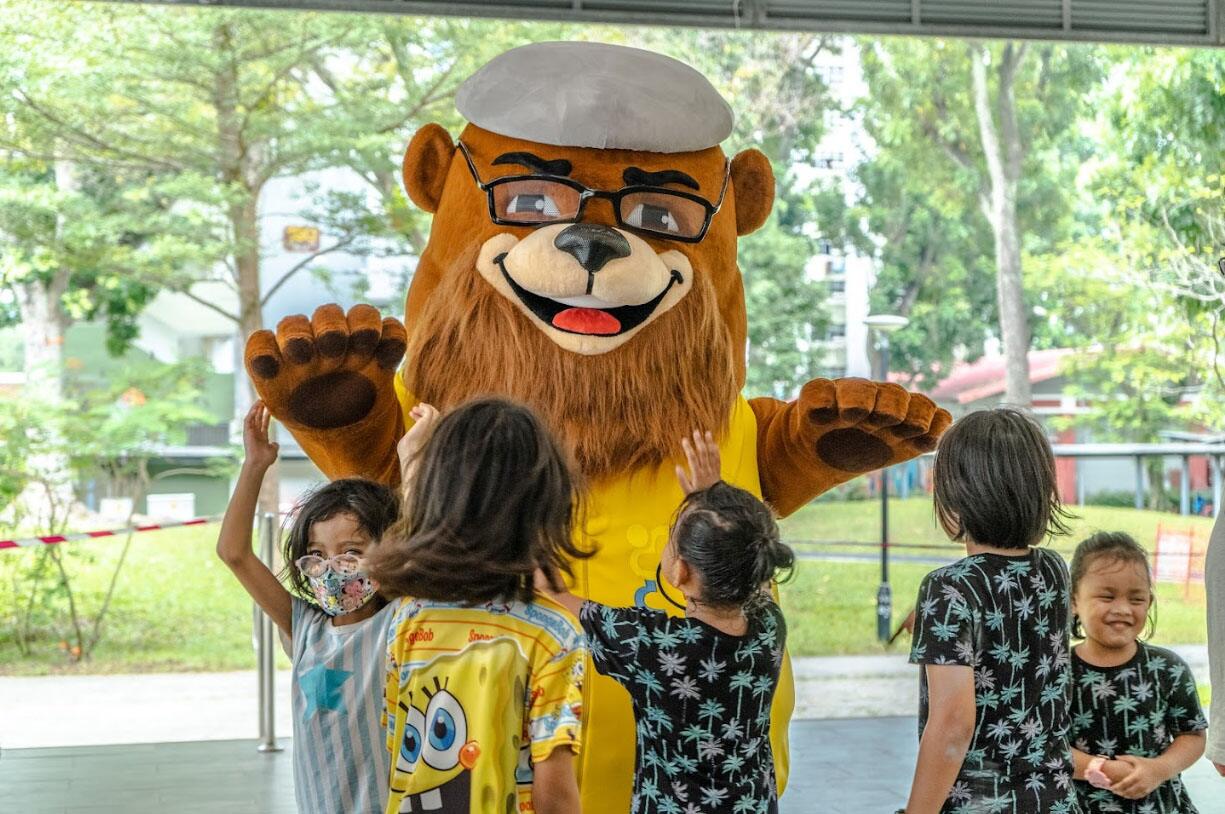
Singa the Lion, Singapore’s iconic mascot for kindness, has become a symbol of warmth, empathy, and community spirit. Created as part of the nation’s kindness movement, Singa encourages values like compassion and social harmony, resonating deeply with Singaporeans.
His cheerful and approachable personality fosters a sense of trust and unity, reinforcing these values in a way that is memorable and relatable for all ages. By aligning with Singa’s message, brands can create a strong emotional connection with the public, embodying values of care, trust, and community support..
Conclusion On The Importance Of Mascot Branding
Incorporating mascots into your branding efforts can offer substantial rewards, from enhancing brand recognition to fostering emotional connections with consumers.
You can create a mascot that becomes an iconic part of your brand by carefully considering your brand’s personality, maintaining consistency, and adapting to the times. Implementing successful mascot branding strategies will ensure that your mascot does more than just represent your brand—it will help build a legacy.
Ready to create a mascot that elevates your brand to the next level? At Mascot Enterprise, we specialise in designing and building memorable and impactful mascots that perfectly capture your brand’s personality.
Plus, we offer a dedicated mascot strategy course to help you maximise your mascot’s potential in branding. Contact Mascot Enterprise today and start your branding journey with a smile!
Frequently Asked Questions On The Importance Of Mascot Branding
What Types Of Businesses Can Benefit From Using A Mascot?
Mascots aren’t just for large corporations or consumer brands—they can work for businesses of all sizes and industries. From retail and sports teams to education and technology companies, any business looking to create a unique identity and connect emotionally with their audience can benefit from a mascot.
How Do I Choose The Right Mascot For My Brand?
Choosing the right mascot involves aligning the character’s personality with your brand’s core values. Consider your target audience, the message you want to convey, and the emotions you want your brand to evoke.
Collaborating with a branding or design team can help develop a mascot that resonates with your brand identity.
Can Mascots Be Used In B2B Branding, Or Are They Just For B2C Companies?
While mascots are more commonly seen in B2C (Business-to-Consumer) markets, they can also be very effective in B2B (Business-to-Business) branding. A mascot can humanise a B2B brand, making it more approachable and memorable in industries that are typically more corporate or formal.
How Do Mascots Help With Social Media Marketing?
Mascots can be fantastic assets for social media marketing, as they provide a visual and interactive element that can engage followers.
Mascots are perfect for creating shareable content, running contests, and responding to customer interactions in a fun, light-hearted manner that reinforces your brand’s presence online.
How Much Does It Cost To Develop A Custom Mascot?
The cost of developing a custom mascot can vary significantly depending on the complexity of the design and the marketing strategies involved. Costs could range from a few thousand dollars for simple designs to much more for detailed, animated, or highly interactive mascots used in major campaigns.
{
“@context”: “https://schema.org”,
“@type”: “FAQPage”,
“mainEntity”: [{
“@type”: “Question”,
“name”: “What Types Of Businesses Can Benefit From Using A Mascot?”,
“acceptedAnswer”: {
“@type”: “Answer”,
“text”: “Mascots aren’t just for large corporations or consumer brands—they can work for businesses of all sizes and industries. From retail and sports teams to education and technology companies, any business looking to create a unique identity and connect emotionally with their audience can benefit from a mascot.”
}
},{
“@type”: “Question”,
“name”: “How Do I Choose The Right Mascot For My Brand?”,
“acceptedAnswer”: {
“@type”: “Answer”,
“text”: “Choosing the right mascot involves aligning the character’s personality with your brand’s core values. Consider your target audience, the message you want to convey, and the emotions you want your brand to evoke.
Collaborating with a branding or design team can help develop a mascot that resonates with your brand identity.”
}
},{
“@type”: “Question”,
“name”: “Can Mascots Be Used In B2B Branding, Or Are They Just For B2C Companies?”,
“acceptedAnswer”: {
“@type”: “Answer”,
“text”: “While mascots are more commonly seen in B2C (Business-to-Consumer) markets, they can also be very effective in B2B (Business-to-Business) branding. A mascot can humanise a B2B brand, making it more approachable and memorable in industries that are typically more corporate or formal.”
}
},{
“@type”: “Question”,
“name”: “How Do Mascots Help With Social Media Marketing?”,
“acceptedAnswer”: {
“@type”: “Answer”,
“text”: “Mascots can be fantastic assets for social media marketing, as they provide a visual and interactive element that can engage followers.
Mascots are perfect for creating shareable content, running contests, and responding to customer interactions in a fun, light-hearted manner that reinforces your brand’s presence online.”
}
},{
“@type”: “Question”,
“name”: “How Much Does It Cost To Develop A Custom Mascot?”,
“acceptedAnswer”: {
“@type”: “Answer”,
“text”: “The cost of developing a custom mascot can vary significantly depending on the complexity of the design and the marketing strategies involved. Costs could range from a few thousand dollars for simple designs to much more for detailed, animated, or highly interactive mascots used in major campaigns.”
}
}]
}
More Resources
All Other Blogs