37 Of The Most Famous Mascots In The World
Mascots play an essential role in branding and marketing, serving as the face of companies and products. More than just characters, they create lasting impressions, convey brand values, and connect with audiences emotionally.
Over the years, some mascots have achieved global recognition, transcending their original purpose to become cultural icons. Below is a list of the most famous mascots that have resonated with people worldwide and remain as beloved today as they were when they first appeared.
1. Mickey Mouse – The Timeless Icon
Mickey Mouse, created by Walt Disney and Ub Iwerks, made his debut in 1928 and quickly became a global symbol of joy, laughter, and imagination.
As the mascot of The Walt Disney Company, Mickey’s cheerful personality, distinctive voice, and signature red shorts have made him one of the most recognizable and beloved characters in entertainment history.
From his early days in Steamboat Willie to starring in numerous cartoons, films, TV shows, and theme park attractions, Mickey has remained a cultural touchstone.
His adventures with friends like Minnie, Donald, Goofy, and Pluto have entertained generations, making Mickey not just a cartoon character but a symbol of childhood and happiness.
Mickey Mouse represents the spirit of fun and creativity, constantly evolving while staying true to his roots. His impact on global pop culture is unmatched, and he continues to inspire new generations through Disney’s ever-expanding media empire.
2. Michelin Man – The Icon Of Safety and Innovation
The Michelin Man, also known as “Bibendum,” was created in 1898 by the Michelin tire company. With his distinctive appearance—a figure made up of stacked white tires—he has become one of the most enduring symbols in the world of advertising and branding.
Designed by artist O’Galop, Bibendum was initially introduced in a poster showing him holding a glass of beer, with the slogan “Nunc est bibendum” (“Now is the time to drink”), which was a playful nod to the tire’s durability and strength.
Over the years, his image evolved into a more approachable and friendly character, representing not only the Michelin brand but also its commitment to safety, quality, and innovation in the tire industry.
The Michelin Man has appeared in countless advertisements, promoting the tire brand’s reputation for performance and reliability.
His presence at events, in commercials, and as part of the Michelin Guide, which rates restaurants and hotels, has cemented his place in popular culture as a symbol of excellence in both engineering and gastronomy.
3. Labubu – Popmart’s Mischievous Critter
Labubu is a quirky and imaginative character from Popmart, the Chinese brand known for its collectible toys. Labubu’s slightly mischievous expression, wild hairstyle, and playful personality have made him a favourite among collectors and fans of art toys in Asia.
With his distinctive look, Labubu represents a new wave of character art, where collectors can enjoy the creativity and personality that goes into each unique figure. Labubu’s popularity in Asia’s designer toy community underscores a broader trend of expressive, artsy mascots resonating with younger audiences.
4. Duo – Duolingo’s Owl Mascot
Duo, the green owl mascot for the language-learning app Duolingo, has become an internet sensation. His encouraging – and sometimes hilariously persistent – reminders to practice languages have endeared him to millions of users worldwide, including in Asia.
Duo’s cute yet slightly cheeky personality helps make learning less intimidating and more fun, as he nudges users to keep practising. He’s a relatable figure for the language-learning journey and has gained a considerable fanbase online, where his memes are wildly popular.
5. Garfield – The Iconic Lazy Cat
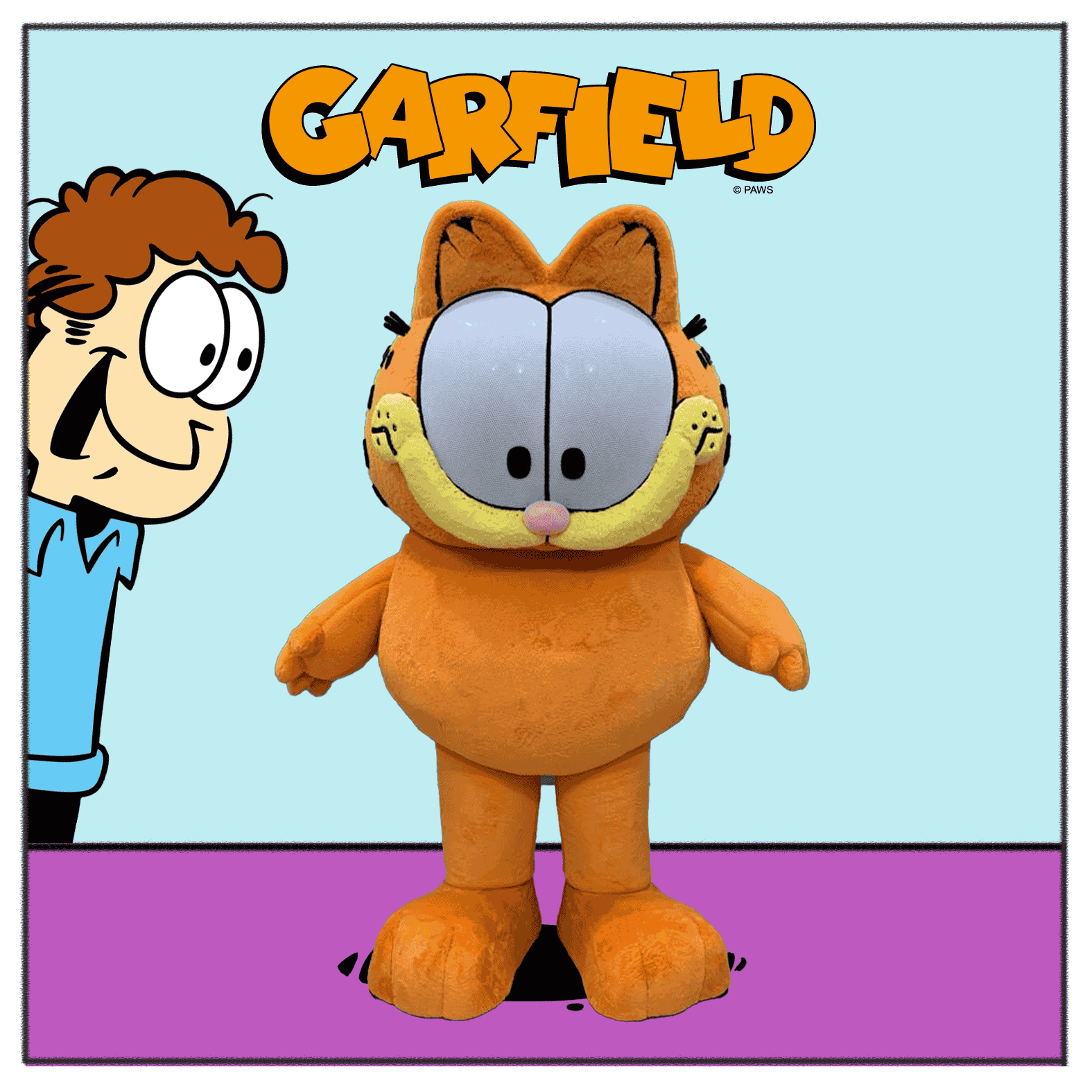
Garfield, created by Jim Davis in 1978, is a globally recognized mascot and beloved in Asia for his relatable “lazy” personality. Known for his love of lasagna, dislike of Mondays, and sarcastic humor, Garfield resonates with people as a symbol of relaxation and indulgence.
His iconic look and witty personality make him a popular character in comics, TV, and merchandise. In Asia, Garfield’s image is seen on clothing, accessories, and home décor, appealing to those who appreciate his laid-back, comical attitude.
6. Snoopy – The World-Famous Beagle
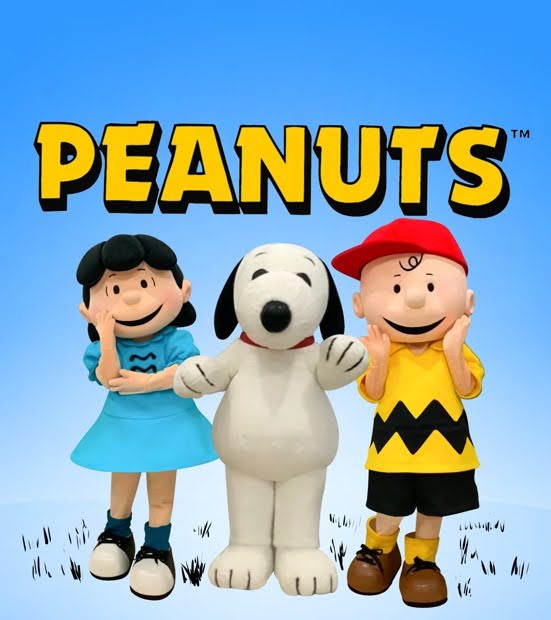
Snoopy, the imaginative and endearing beagle from Charles Schulz’s Peanuts comic strip, is celebrated worldwide. His adventures as the “World War I Flying Ace” and his loyal friendship with Charlie Brown have made him a relatable figure.
In Japan, Snoopy is especially cherished, with themed cafes, events, and merchandise dedicated to him. He embodies joy, friendship, and the importance of imagination, appealing to both children and adults who appreciate his whimsical spirit.
7. Ellie the Elephant (@bigellieliberty)
Ellie the Elephant, known on Instagram as @bigellieliberty, is a cheerful and curious mascot that has garnered popularity across Asia. With her cute, wide-eyed expressions and playful nature, Ellie has become a symbol of kindness, curiosity, and adventure.
Her presence on social media allows her to engage with audiences through fun and lighthearted content, appealing especially to children and families. Ellie represents exploration and positivity, connecting with followers who enjoy her heartwarming updates.
8. The Qoo Cat – Japan’s Iconic Juice Mascot
Created by Coca-Cola Japan, Qoo is a round, blue cat who represents the brand’s juice line. With his catchy jingle and playful look, Qoo has become a beloved mascot among children and families in Asia.
The character symbolises refreshment and fun, with his simple, adorable design making him a memorable figure in the beverage industry, especially in Japan.
9. Rilakkuma – Japan’s Relaxed Bear
Rilakkuma, the relaxing bear from San-X, is a mascot that champions the art of slowing down and enjoying life’s simple pleasures. Known for his calm demeanour, he’s often depicted lounging or taking it easy.
Rilakkuma’s popularity spans merchandise, books, and even cafes, making him a symbol of relaxation and self-care. His appeal lies in his reminder to take breaks and appreciate small moments, resonating with Japan’s work culture and beyond.
10. Sun Wukong (The Monkey King) – China’s Cultural Symbol
Sun Wukong, the legendary Monkey King from Journey to the West, is a cultural symbol throughout China and much of Asia. Known for his intelligence, magical abilities, and rebellious nature, Sun Wukong is both a hero and a trickster, embodying resourcefulness and strength.
His popularity has led to adaptations in movies, TV shows, and games, making him a timeless figure who represents the spirit of adventure, courage, and creativity in Chinese culture.
11. Bugs Bunny – Warner Bros.’ Witty Rabbit
Bugs Bunny, the quick-witted, carrot-chewing rabbit, has been a staple of Warner Bros. cartoons since his debut in the 1940s. As one of the most famous mascots in animation, Bugs Bunny’s iconic catchphrase, “What’s up, Doc?” has become synonymous with his clever and mischievous personality.
His ability to outsmart opponents, from Elmer Fudd to Daffy Duck, has made him a beloved character for children and adults alike.
Bugs transcends his role as a popular mascot, representing the golden age of animation and remaining a cultural icon through various movies, merchandise, and theme park appearances.
12. The Laughing Cow – A Cheesy Delight
The Laughing Cow has been a symbol of creamy, spreadable cheese since her creation in 1921 by the French cheese brand Fromageries Bel.
Her wide grin, bright red coat, and iconic hoop earrings (which cleverly feature mini cheese wheels) have made her one of the most recognisable mascots in dairy products. The Laughing Cow mascot brings a sense of fun and warmth to the brand, evoking feelings of family and comfort.
As a popular mascot, she embodies the light-hearted joy of enjoying good food with loved ones, making her a household name across the globe.
13. Chester Cheetah – Cool and Cheesy
Chester Cheetah has been the smooth-talking, cool cat face of Cheetos since the 1980s. His sleek design and laid-back personality perfectly match the “dangerously cheesy” snack he represents. Chester’s iconic sunglasses and mischievous behaviour add to his charm, appealing to both children and adults.
His rebellious, fun-loving antics make him stand out among other famous mascots in the snack food industry. Chester Cheetah’s laid-back coolness, combined with his catchy catchphrases, has made him one of the most memorable popular mascots in the snack world.
14. Smokey Bear – Preventing Forest Fires
Since 1944, Smokey Bear has been educating the public about wildfire prevention, becoming one of the most famous mascots in environmental conservation. His famous slogan, “Only you can prevent forest fires,” has become synonymous with his mission to promote responsible forest management.
Smokey’s gentle yet authoritative persona makes him a trusted figure, reminding people of the importance of fire safety.
His role in environmental awareness campaigns has earned him a special place in American history, making him more than just a popular mascot—he’s a symbol of responsibility and care for the outdoors.
15. Trix Rabbit – The Silly Cereal Fanatic
The Trix Rabbit has been the face of Trix cereal since the 1950s, endlessly trying—and failing—to steal a bowl of the fruity cereal from children, with the famous line, “Silly rabbit, Trix are for kids!” His comical failures and persistence have made him a relatable and endearing character.
As one of the most popular mascots in the breakfast cereal world, the Trix Rabbit embodies both humour and nostalgia, appealing to multiple generations of cereal lovers. His playful nature and association with childhood joy make him an unforgettable figure in advertising.
16. Kool-Aid Man – “Oh Yeah!”
The Kool-Aid Man has been breaking through walls with his energetic “Oh yeah!” since the 1950s, bringing fun and excitement to every gathering. Representing Kool-Aid, the fruity drink mix, Kool-Aid Man’s oversized jug and bold personality have made him one of the most famous mascots in beverage advertising.
His ability to burst into any situation with energy and refreshment perfectly encapsulates the fun and spontaneity of enjoying a cool drink. As a popular mascot, the Kool-Aid Man has remained a symbol of childhood parties, summer fun, and family get-togethers.
17. Toucan Sam – The Fruity Explorer
Toucan Sam, with his vibrant feathers and distinguished beak, has been guiding kids and adults alike to the fruity flavour of Froot Loops since the 1960s. Known for following his nose, which “always knows” where the best flavours are, Toucan Sam brings an adventurous spirit to breakfast time.
His bright, colourful design and association with fun and discovery make him one of the most popular mascots in the cereal industry. Whether flying through commercials or appearing on boxes, Toucan Sam embodies the joy of exploration and the sweetness of Froot Loops.
18. M&M’s Spokescandies – Colourful Personalities
The M&M’s spokescandies—Red, Yellow, Green, Blue, and more—each have their own distinct personalities that bring humour and charm to the world of candy. First introduced in the 1950s, the spokescandies have since become one of the most famous mascots in the candy industry.
Red is sarcastic and confident, Yellow is naïve and loveable, Green is sassy, and together they form a dynamic group that keeps audiences entertained.
Their interactions in commercials, combined with their recognisable candy-coated designs, make them beloved characters who continue to drive the success of the M&M’s brand.
19. Cap’n Crunch – Nautical Cereal Legend
Cap’n Crunch, with his blue naval uniform and white moustache, has been steering his ship through the cereal aisles since the 1960s. His jolly appearance and famous slogan, “Crunchatize me, Cap’n,” have made him a well-loved popular mascot for Cap’n Crunch cereal.
Cap’n Crunch’s adventurous spirit, paired with his crunchy, sweet cereal, has made him a breakfast favourite for decades. His nautical theme and bold personality have given him a special place in the hearts of cereal lovers worldwide, making him one of the most recognisable figures in the industry.
20. The Jolly Green Giant – Healthy And Strong
The Jolly Green Giant, with his towering stature and leafy green tunic, has been a symbol of healthy eating since the early 20th century. Representing Green Giant’s line of vegetables, this famous mascot promotes the benefits of eating fresh and nutritious food.
His deep voice and friendly smile evoke trust and health-consciousness, making him a popular figure in grocery stores. The Jolly Green Giant’s connection to nature and strength has made him a symbol of vitality and well-being, and he continues to be a beloved character promoting healthy food choices.
21. The Pringles Man – Stackable Fun
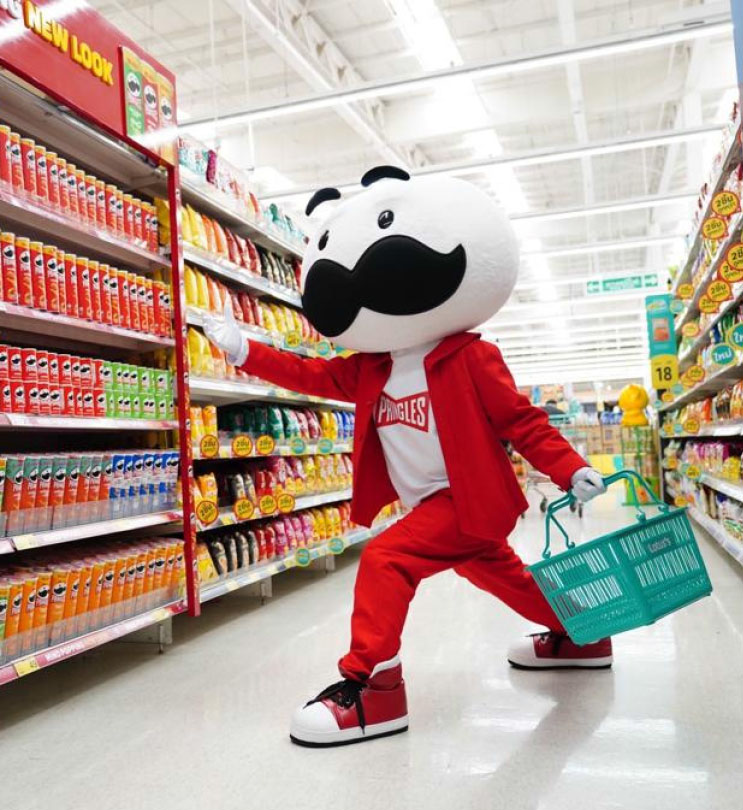
The Pringles Man, known for his signature moustache and round face, has been a famous mascot since the 1960s. Representing the uniquely stackable chips, his refined look brings a sense of fun and quirkiness to the Pringles brand.
Whether on product packaging or in commercials, the Pringles Man’s recognisable face has become synonymous with the brand’s iconic snack. His minimalist yet charming design makes him a memorable popular mascot in the world of chips, appealing to snack lovers of all ages.
22. The Duracell Bunny – Energised And Ever-Ready
The Duracell Bunny is known for his boundless energy, representing Duracell’s long-lasting batteries. While often confused with the Energizer Bunny, the Duracell Bunny is the popular mascot in Europe and has been promoting battery power since the 1970s.
His pink fur and high energy levels symbolise the brand’s commitment to reliability and performance. The Duracell Bunny’s role in advertising highlights the importance of power and durability, making him a trusted figure in the battery industry.
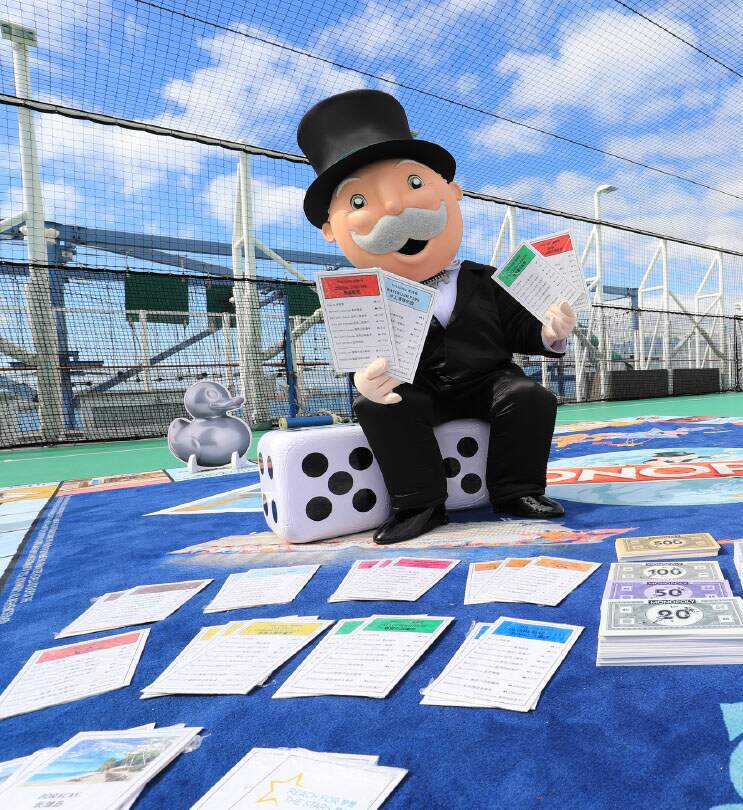
23. Mr. Monopoly- The Classic Board Game
Quicky, the Nesquik Bunny, has been promoting the rich chocolate flavour of Nesquik since the 1970s. With his floppy ears, fast-paced personality, and signature yellow t-shirt, Quicky brings excitement and energy to every glass of chocolate milk.
As a famous mascot, he appeals to children with his playful antics, making the process of enjoying Nesquik even more fun. Quicky’s association with chocolatey goodness has made him a beloved figure in homes worldwide, making him an essential part of the Nesquik brand.
24. The Noid – Pizza Delivery’s Worst Enemy
The Noid was introduced by Domino’s Pizza in the 1980s as a mischievous character determined to ruin perfect pizza deliveries. While short-lived, The Noid became a memorable popular mascot, known for his red suit, bunny-like ears, and unsuccessful attempts to delay pizza deliveries.
Although retired in the 1990s, The Noid has seen a resurgence in pop culture, with nostalgic fans remembering him as a unique and quirky part of Domino’s branding.
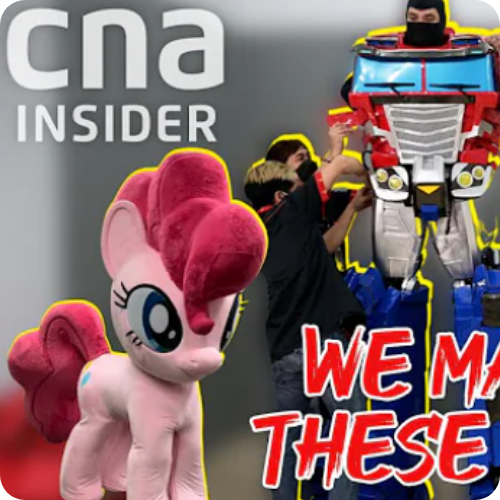
25. Transformers From Hasbro – Iconic Robots In Disguise
Transformers, the legendary franchise from Hasbro, has captured the imagination of fans worldwide since its debut in the 1980s.
Known for its epic battles between Autobots and Decepticons, the series brings together intricate storytelling, futuristic technology, and an ever-evolving range of action figures, TV shows, and movies.
With their ability to transform from vehicles to robots, the Transformers have become symbols of strength, heroism, and innovation. Optimus Prime, the noble leader of the Autobots, and Megatron, the powerful Decepticon leader, are two of the most iconic characters in pop culture.
These robots are not just toys; they represent timeless themes of good versus evil, making them beloved by both children and adults.
As a cornerstone of 1980s nostalgia, Transformers continues to evolve, with new generations discovering the thrill of transforming figures and high-octane adventures, ensuring their place in popular culture for years to come.
26. Hello Kitty – Japan’s Global Icon
Hello Kitty, one of the most famous mascots in Asia, was introduced by Sanrio in 1974. Her simple, charming design—a white cat with a red bow—has made her an international sensation. Hello Kitty’s appeal transcends age, attracting both children and adults with her cute and friendly appearance.
Over the years, Hello Kitty has expanded from merchandise to media, entertainment, and even fashion, making her a global symbol of kawaii (cute) culture. As one of the most successful mascots, Hello Kitty has become an enduring figure in Japanese pop culture and a beloved character around the world.
27. Doraemon – Time-Traveling Robot Cat
Doraemon, the blue robotic cat from the future, is one of the most popular mascots in Japan and across Asia. Created in the 1970s, Doraemon’s adventures with his human friend Nobita have captivated audiences for decades, with countless TV shows, movies, and merchandise dedicated to his character.
His ability to pull futuristic gadgets from his “4D pocket” has made him a beloved figure in children’s entertainment. Doraemon’s loyal and helpful nature, combined with his unique design, has made him an iconic mascot for the Japanese animation industry and a symbol of friendship and imagination.
28. Kumamon – Japan’s Cheerful Bear
Kumamon, the black bear with red cheeks, was created in 2010 as a mascot for Kumamoto Prefecture in Japan. Initially designed to promote tourism, Kumamon quickly became a national sensation, known for his playful and sometimes clumsy behaviour.
As one of the most famous mascots in Japan, Kumamon has appeared on merchandise, in commercials, and even as part of regional events. His charm lies in his simplicity and his ability to evoke smiles, making him a key player in Japan’s yuru-chara (regional mascot) culture.
29. Pikachu – The Face of Pokémon
Pikachu, the electrifying yellow Pokémon, is easily one of the most famous mascots in the world, particularly in Asia.
Introduced in 1996 with the launch of the Pokémon series, Pikachu quickly became the popular mascot of the franchise, which includes video games, TV shows, movies, and an endless array of merchandise.
Pikachu’s cute design and strong emotional connection with fans have made him a cultural icon, representing the global Pokémon phenomenon. With his cheerful disposition and electric powers, Pikachu continues to captivate fans of all ages.
30. Shin-chan – Japan’s Mischievous Child
Shinnosuke “Shin-chan” Nohara is the five-year-old star of the popular Japanese manga and anime Crayon Shin-chan. With his mischievous nature and often inappropriate antics, Shin-chan has become a popular mascot for Japanese pop culture.
First introduced in 1990, Shin-chan has maintained a strong fan base for his irreverent humour, and his character is widely recognised across Japan and other parts of Asia. Shin-chan’s humorous and playful nature has made him a beloved character among children and adults alike.
31. Ultraman – Japan’s Sci-Fi Hero
Ultraman is a famous mascot in Japan, known for his role as a giant superhero who battles extraterrestrial threats. Since his debut in 1966, Ultraman has become a symbol of Japanese sci-fi and tokusatsu (live-action special effects) genres.
His iconic silver and red suit and courageous personality have made him a popular mascot for generations of fans. Ultraman’s success has led to multiple TV series, films, and merchandise, making him a long-standing figure in Japanese pop culture.
32. Jollibee – The Philippines’ Favourite Bee
Jollibee, the jolly, red-suited bee, is the famous mascot of the Jollibee fast-food chain, which originated in the Philippines. Known for his friendly smile and welcoming demeanour, Jollibee has become a beloved character in Filipino culture.
As the face of the largest fast-food chain in the country, Jollibee represents family, fun, and delicious food. His appearances at restaurants, events, and commercials have made him one of the most popular mascots in Asia, symbolising Filipino pride and community.
33. Maneki Neko – Japan’s Beckoning Cat
Maneki Neko, or the “beckoning cat,” is a traditional famous mascot in Japan, often seen as a symbol of good luck and prosperity. Typically depicted as a cat raising one paw, Maneki Neko is placed in businesses, restaurants, and homes to invite good fortune.
While not tied to a specific brand, Maneki Neko has become a widely recognised figure in Japanese culture, representing positive energy and success. Its iconic design has led to countless variations and merchandise, making it a cultural icon in Asia and beyond.
34. Peko-chan – Japan’s Sweet Candy Girl
Peko-chan is the popular mascot for Fujiya, a Japanese confectionery company. Known for her adorable smile and tongue sticking out playfully, Peko-chan has been the face of Fujiya’s sweets since the 1950s.
She is especially known for promoting Milky candy, a beloved treat in Japan. Peko-chan’s cheerful and innocent persona has made her a staple in Japanese candy shops, and her image continues to bring joy to children and adults alike.
35. Brown & Friends – LINE’s Digital Mascots
Brown, along with his friends Cony, Sally, and Moon, are the famous mascots of LINE, the popular messaging app in Asia. First introduced as a set of digital stickers, these characters have become beloved figures in their own right.
Brown, the quiet and stoic bear, and his energetic bunny friend Cony have appeared in merchandise, animations, and even theme parks. Their simple yet expressive designs have made them a popular mascot group for LINE users, embodying the fun and creativity of the digital age.
36. Groot – The Beloved Tree
Marvel’s Tree Hero Groot, the beloved tree-like character from the Marvel Cinematic Universe, first appeared in “Guardians of the Galaxy” in 2014. Known for his iconic phrase, “I am Groot,” he represents friendship, loyalty, and bravery.
Groot’s charming personality and endearing design have made him a favourite among fans of all ages, embodying the spirit of teamwork in the face of adversity.
37. Cheer Bear – The Caring Companion
Cheer Bear, one of the Care Bears introduced in the 1980s, is a rainbow-coloured bear known for her caring nature and positivity.
With her signature rainbow belly badge, Cheer Bear promotes friendship, love, and happiness. As a beloved mascot in children’s entertainment, she continues to inspire young audiences with messages of kindness and support.
Conclusion About The Most Popular Mascots In The World
Mascots have the unique ability to transcend their roles as brand representatives, becoming cultural icons that evoke strong emotional connections.
From advertising to entertainment and sports, the most popular mascots have a way of staying relevant and recognisable across generations. Their charm, memorable designs, and association with positive experiences make them an integral part of branding and marketing strategies.
While it’s difficult to crown a single most famous mascot, what’s clear is that the power of a well-crafted mascot lies in its ability to connect with audiences and create lasting impressions. Whether through humour, nostalgia, or trust, mascots play a vital role in shaping how brands are perceived and remembered.
If you’re ready to create a memorable mascot that will elevate your brand and leave a lasting impact, Mascot Enterprise is here to help. Contact Mascot Enterprise today to start your journey toward building an iconic character that will stand the test of time!
Frequently Asked Questions About The Most Popular Mascots In The World
How Do Mascots Help Build Emotional Connections With Customers?
Mascots create emotional connections by humanising brands and making them more relatable. They evoke feelings of nostalgia, trust, or excitement, which helps foster long-term loyalty among customers. The emotional bond mascots establish often leads to stronger brand recall.
Why Are Animal Mascots So Popular?
Animal mascots are popular because they are often seen as friendly, approachable, and universally relatable. Their playful or wise characteristics make them appealing to a wide range of audiences, and they can easily be adapted to suit the tone of the brand they represent.
How Do Companies Use Mascots Beyond Advertising?
Companies use mascots for more than just advertising; they often feature them in events, social media campaigns, and even product packaging. Mascots are also widely used in live appearances to engage with the public directly, from store openings to charity events, helping to deepen the brand-customer relationship.
What Role Do Mascots Play In Sports Branding?
In sports, mascots play a significant role by energising crowds, representing team spirit, and creating a sense of identity for fans. They serve as symbols of pride and unity for teams and are often used in promotional materials, merchandise, and live performances at games.
How Do Mascots Adapt To Digital Marketing Strategies?
Mascots have adapted to the digital age by becoming part of social media campaigns, memes, and interactive online content.
Some companies even create mascot-branded apps, GIFs, or augmented reality experiences, allowing consumers to engage with the mascot in innovative ways that boost online visibility and interaction.
{
“@context”: “https://schema.org”,
“@type”: “FAQPage”,
“mainEntity”: [{
“@type”: “Question”,
“name”: “How Do Mascots Help Build Emotional Connections With Customers?”,
“acceptedAnswer”: {
“@type”: “Answer”,
“text”: “Mascots create emotional connections by humanising brands and making them more relatable. They evoke feelings of nostalgia, trust, or excitement, which helps foster long-term loyalty among customers. The emotional bond mascots establish often leads to stronger brand recall.”
}
},{
“@type”: “Question”,
“name”: “Why Are Animal Mascots So Popular?”,
“acceptedAnswer”: {
“@type”: “Answer”,
“text”: “Animal mascots are popular because they are often seen as friendly, approachable, and universally relatable. Their playful or wise characteristics make them appealing to a wide range of audiences, and they can easily be adapted to suit the tone of the brand they represent.”
}
},{
“@type”: “Question”,
“name”: “How Do Companies Use Mascots Beyond Advertising?”,
“acceptedAnswer”: {
“@type”: “Answer”,
“text”: “Companies use mascots for more than just advertising; they often feature them in events, social media campaigns, and even product packaging. Mascots are also widely used in live appearances to engage with the public directly, from store openings to charity events, helping to deepen the brand-customer relationship.”
}
},{
“@type”: “Question”,
“name”: “What Role Do Mascots Play In Sports Branding?”,
“acceptedAnswer”: {
“@type”: “Answer”,
“text”: “In sports, mascots play a significant role by energising crowds, representing team spirit, and creating a sense of identity for fans. They serve as symbols of pride and unity for teams and are often used in promotional materials, merchandise, and live performances at games.”
}
},{
“@type”: “Question”,
“name”: “How Do Mascots Adapt To Digital Marketing Strategies?”,
“acceptedAnswer”: {
“@type”: “Answer”,
“text”: “Mascots have adapted to the digital age by becoming part of social media campaigns, memes, and interactive online content.
Some companies even create mascot-branded apps, GIFs, or augmented reality experiences, allowing consumers to engage with the mascot in innovative ways that boost online visibility and interaction.”
}
}]
}
More Resources
All Other Blogs