8 Reasons Why Mascot Marketing Strategy Builds Stronger Brands
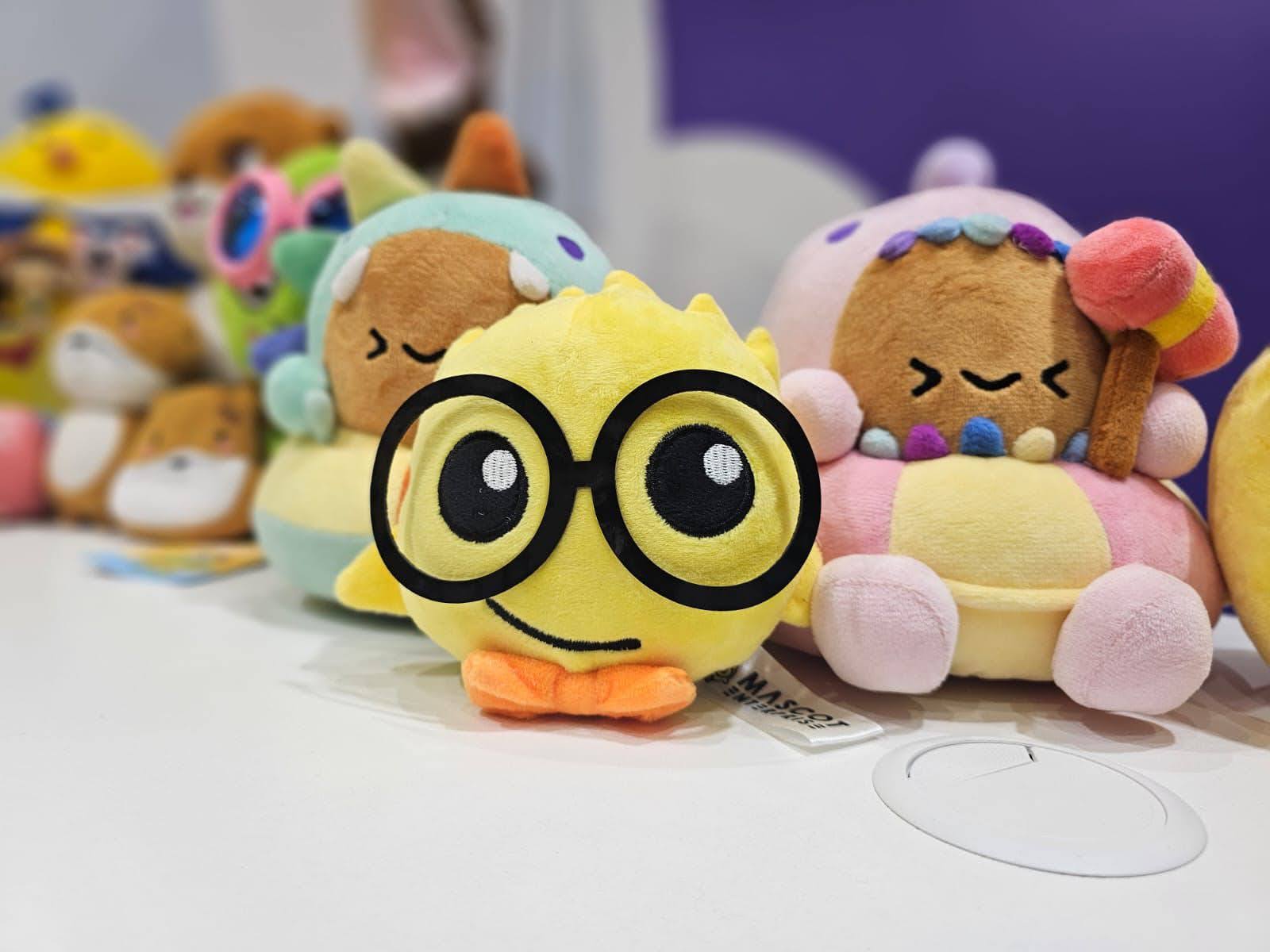
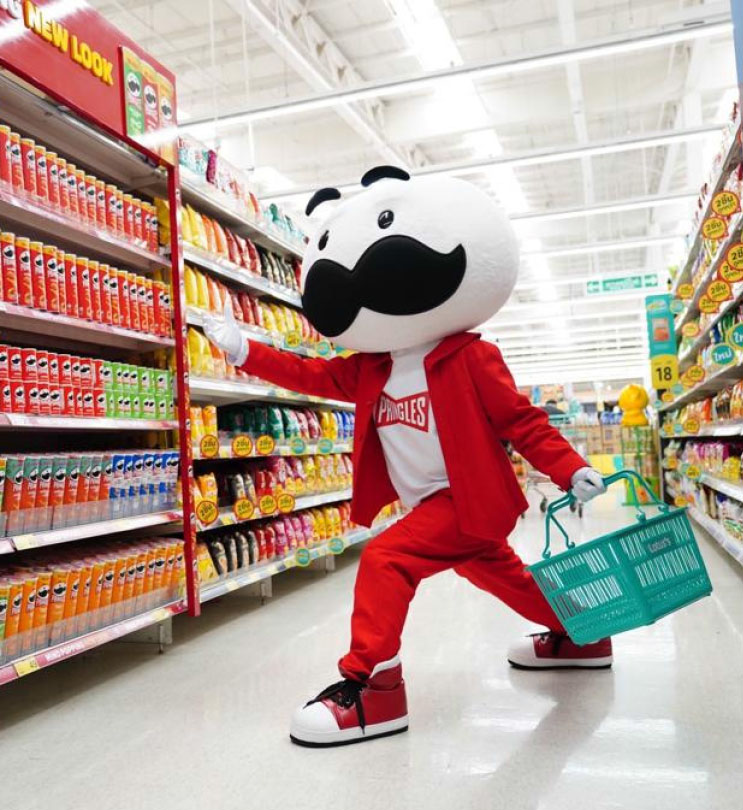
Mascot marketing is about using a fun, memorable character to represent your brand and connect with your audience.
Think of it as giving your business a personality people can relate to. In an industry where brands constantly fight for attention, companies must stand out in fun and memorable ways. One strategy that’s been proven to work time and again is mascot marketing.
Think of mascots as your brand’s quirky ambassador—a character that not only represents your business but also fosters a stronger emotional bond with your audience.
1. Mascots Make Your Brand Memorable
One of the biggest challenges for businesses today is making a lasting impression in a sea of competitors. A well-designed mascot can work wonders. Having a fun, engaging character representing your brand makes it easier for customers to remember you.
For example, the Geico Gecko has become synonymous with insurance, and Tony the Tiger instantly reminds us of Frosted Flakes.
A strong mascot keeps your brand in mind, meaning when customers think about a product or service in your industry, your character (and, by extension, your brand) pops into their heads first.
Tip: Create a mascot with a distinct look and personality that reflects your brand values, making it instantly recognisable.
2. Mascots Build Customer Loyalty
Let’s face it—people connect with stories, characters, and personalities, not faceless corporations. A mascot gives your brand a personality, making it easier for your audience to build an emotional connection. This connection is key to fostering long-term loyalty.
When your customers feel emotionally attached to your mascot, they will likely remain loyal to your brand. Think about how people love brands like Disney or Coca-Cola—not just for their products but for the warm, nostalgic feelings their mascots and characters evoke. A well-loved mascot can trigger that same sense of emotional connection.
Tip: Give your mascot a backstory or personality that resonates with your audience, whether it’s playful, funny, or even a little mischievous.
3. Mascots Make Your Brand Stand Out From The Competition
In a competitive market, standing out is crucial. While most brands stick to logos and slogans, adopting a mascot marketing strategy gives you that extra edge. Mascots add a layer of creativity and uniqueness that other marketing tactics might lack.
Your mascot can help you carve out a distinct identity that sets you apart from competitors who may not have a relatable figure to engage their audience. Plus, when your mascot is used consistently across all platforms—social media, TV ads, product packaging—it makes your brand more cohesive and instantly recognisable.
Tip: Be bold with your mascot’s design and character traits. Make it fun, memorable, and something your competitors can’t easily replicate.
4. Mascots Work Across Multiple Marketing Channels
One of the most significant advantages of mascot marketing is how versatile mascots are. You can use them in nearly every marketing channel, from social media posts to TV commercials, website content, and even live events.
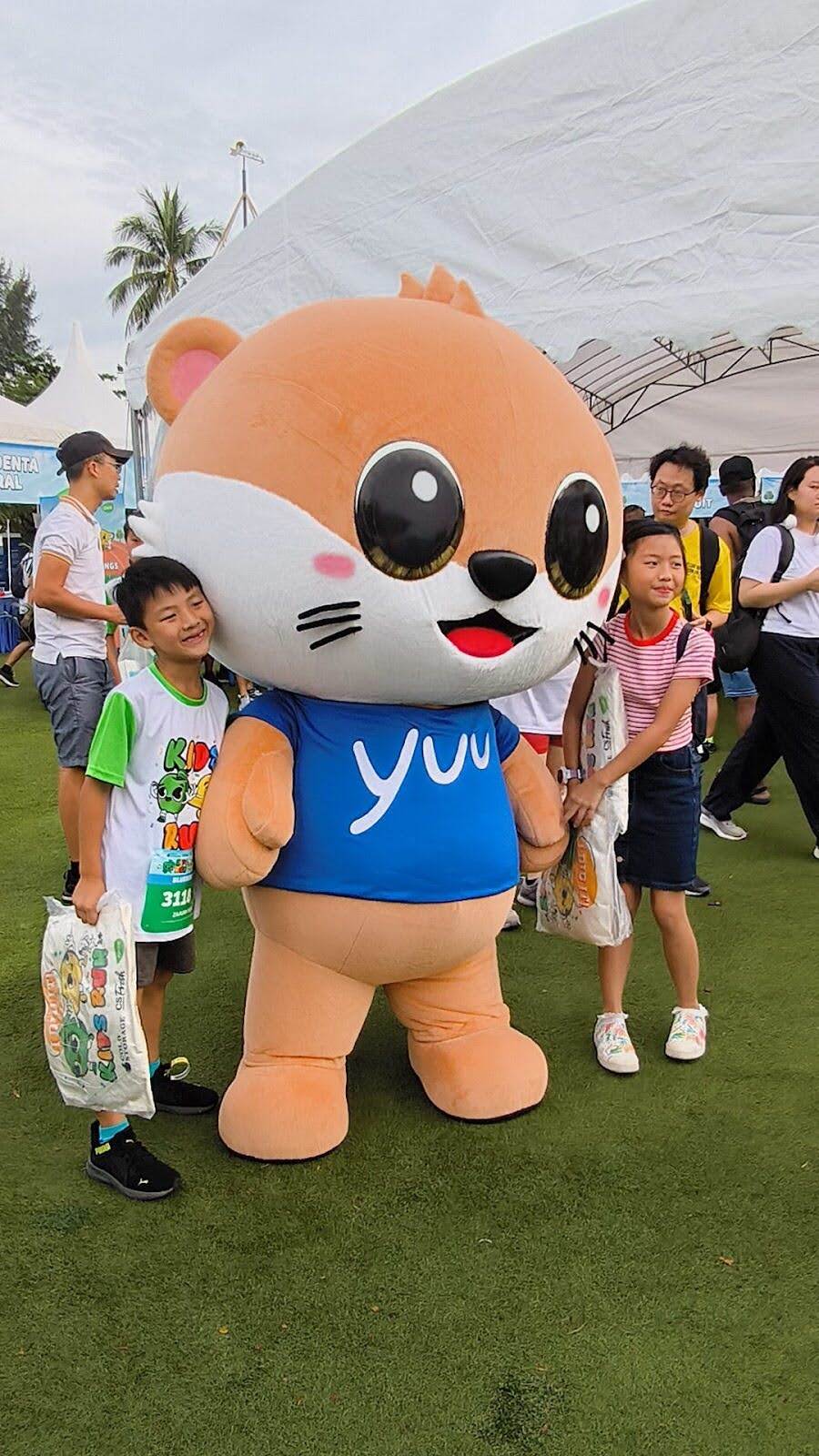
Think about it: a mascot can show up in a funny video on Instagram one day and then be at a trade show taking pictures with fans the next. This kind of flexibility makes your mascot marketing strategy a long-term investment that pays off across multiple platforms.
Tip: Use your mascot consistently across various channels to reinforce your brand’s message and maximise its exposure.
5. Mascots Get People Talking
Mascots are fantastic conversation starters. When people interact with a brand that has a fun or interesting character, they’re more likely to talk about it, share it on social media, and engage with your brand.
From posting memes to replying to tweets or participating in contests, your mascot can drive interaction and encourage user-generated content. Mascots also perform well in brand storytelling, making your marketing more relatable and human.
Tip: Use your mascot in social media campaigns to encourage interaction, such as creating polls and contests or asking your audience to share mascot-related content.
6. Mascots Create A Cohesive Brand Image
A well-thought-out mascot marketing strategy can help create a cohesive brand image. Mascots are more than just characters—they extend your brand’s identity. If you want to portray your company as fun, friendly, or approachable, your mascot will embody these traits and communicate them consistently.
This consistency helps reinforce your brand’s personality across different mediums, allowing your audience to get a clear, unified sense of who you are. It also makes your brand more relatable, as mascots tend to feel more “alive” than logos or slogans.
Tip: Ensure that your mascot reflects your brand’s core values and tone of voice. Consistency in how your mascot behaves and interacts with customers is key to building trust.
7. Mascots Are Cost-Effective And Long-Lasting
Once created, a mascot can be an incredibly cost-effective marketing tool. Unlike celebrity endorsements, which may require expensive contracts and renewals, a mascot is yours to use however and whenever you like. A well-designed mascot can remain a valuable asset for years or even decades, becoming a recognisable figure that stands the test of time.
Additionally, mascots can quickly adapt to changing trends or marketing campaigns, giving them long-term value that far outweighs typical marketing strategies.
Tip: Create a high-quality, timeless mascot design that can evolve with your brand over time without losing its core essence.
8. Mascots Humanise Your Brand
People connect with people—or, in this case, something that feels like a person. Mascots allow brands to feel more human by adding a friendly face to the business. This is particularly helpful for companies operating in more serious industries like insurance or finance.
By having a mascot represent your brand, you soften your image and become more approachable to customers. This is why companies often use mascots to make complex or “boring” topics more fun and digestible.
Tip: If your industry tends to be viewed as technical or impersonal, use a mascot to inject some warmth and relatability into your marketing.
Conclusion About Mascot Marketing Strategies
Incorporating a mascot into your marketing strategy is a powerful way to build brand identity, foster customer loyalty, and stand out from the crowd. Whether you’re a small business or a global brand, mascots can give your marketing efforts a fun, engaging twist that people are more likely to remember.
From creating emotional connections to boosting engagement, a well-crafted mascot can become a valuable asset that drives your brand’s long-term success. So, if you’re looking for a way to make your brand more approachable, memorable, and downright fun, mascot marketing might just be the perfect solution!
At Mascot Enterprise, we don’t just create mascots—we partner you to Make Wow Experiences!
We also offer a comprehensive mascot strategy course to ensure your mascot becomes a powerful branding tool. Get in touch with us today, and let’s start crafting the perfect mascot to elevate your brand and make it truly stand out!
Frequently Asked Questions About Mascot Marketing Strategies
How Do I Choose The Right Type Of Mascot For My Brand?
To choose the fitting mascot, consider your brand’s values, target audience, and personality. A playful mascot like a cartoon animal might work well if your brand is fun and energetic.
If your brand is more serious or professional, a sleek, stylised character may be a better fit. The mascot should embody your brand’s tone and appeal to the emotions you want to evoke in your customers.
Can Mascots Be Effective For B2B Companies, Or Are They Just For B2C?
Mascots can definitely work for B2B companies, though they are more commonly associated with B2C. In B2B, mascots help humanise your business and simplify complex products or services.
Giving your brand a relatable face makes it easier for other businesses to connect with your message and stand out in an often severe and technical industry.
Should My Mascot Have A Name And Backstory?
Yes, giving your mascot a name and backstory adds depth and personality, making it more relatable and engaging. A name makes the mascot feel more like a character, and a backstory gives it substance, allowing for creative storytelling that can strengthen your brand’s narrative.
It can be mighty in social media and advertising, where ongoing character development can keep your audience interested.
How Do I Measure The Success Of A Mascot Marketing Strategy?
Success can be measured through various metrics, such as increased brand recognition, higher engagement rates on social media, improved customer loyalty, and increased sales or conversions.
Monitor social media interactions, website traffic, and customer feedback to gauge how well your mascot is resonating with your audience. Surveys and brand awareness studies can also provide valuable insights.
{
“@context”: “https://schema.org”,
“@type”: “FAQPage”,
“mainEntity”: [{
“@type”: “Question”,
“name”: “How Do I Choose The Right Type Of Mascot For My Brand?”,
“acceptedAnswer”: {
“@type”: “Answer”,
“text”: “To choose the fitting mascot, consider your brand’s values, target audience, and personality. A playful mascot like a cartoon animal might work well if your brand is fun and energetic.
If your brand is more serious or professional, a sleek, stylised character may be a better fit. The mascot should embody your brand’s tone and appeal to the emotions you want to evoke in your customers.”
}
},{
“@type”: “Question”,
“name”: “Can Mascots Be Effective For B2B Companies, Or Are They Just For B2C?”,
“acceptedAnswer”: {
“@type”: “Answer”,
“text”: “Mascots can definitely work for B2B companies, though they are more commonly associated with B2C. In B2B, mascots help humanise your business and simplify complex products or services.
Giving your brand a relatable face makes it easier for other businesses to connect with your message and stand out in an often severe and technical industry.”
}
},{
“@type”: “Question”,
“name”: “Should My Mascot Have A Name And Backstory?”,
“acceptedAnswer”: {
“@type”: “Answer”,
“text”: “Yes, giving your mascot a name and backstory adds depth and personality, making it more relatable and engaging. A name makes the mascot feel more like a character, and a backstory gives it substance, allowing for creative storytelling that can strengthen your brand’s narrative.
It can be mighty in social media and advertising, where ongoing character development can keep your audience interested.”
}
},{
“@type”: “Question”,
“name”: “How Do I Measure The Success Of A Mascot Marketing Strategy?”,
“acceptedAnswer”: {
“@type”: “Answer”,
“text”: “Success can be measured through various metrics, such as increased brand recognition, higher engagement rates on social media, improved customer loyalty, and increased sales or conversions.
Monitor social media interactions, website traffic, and customer feedback to gauge how well your mascot is resonating with your audience. Surveys and brand awareness studies can also provide valuable insights.”
}
}]
}
More Resources
All Other Blogs