What Is The Purpose Of A Mascot? The Power Of Brand Symbolism
In the world of marketing, branding is everything. A brand’s identity goes beyond just its logo or product; it’s about creating an emotional connection with the audience. One of the most powerful tools in building this connection is a mascot.
But what exactly is the purpose of a mascot, and why is it so important for businesses, sports teams, and even educational institutions? In this blog, we’ll dive into the role of mascots, why they’re important, and how they help create memorable experiences for customers, fans, and communities.
Why Mascot Is Important: Building Emotional Connections
At its core, the purpose of a mascot is to serve as a symbol of a brand or entity that can personify its values, mission, and character. A mascot is more than just a cute or humorous figure; it becomes the face of the brand, bringing life to what might otherwise be abstract concepts.
Whether it’s a corporation like Kellogg’s Tony the Tiger or a sports team like the Chicago Bulls’ Benny the Bull, mascots have the unique ability to represent a brand in a way that words or logos alone cannot.
Why Is A Mascot Important For Brand Recognition?

One of the main reasons why mascots are important is their ability to enhance brand recognition. When people see a mascot, they immediately associate it with the company or team it represents. This association helps make the brand memorable and instantly recognisable.
For example, mascots like the Geico Gecko or the Michelin Man are unforgettable. Their distinctive personalities and designs create strong visual identities, making them stand out in an increasingly crowded marketplace.
This recognition isn’t just about having a fun or quirky character; it’s about leveraging the mascot to reinforce the brand’s message. A well-designed mascot can convey key values such as fun, trust, reliability, and strength, depending on the needs of the brand.
Mascots in Marketing: A Gateway to Customer Loyalty
Mascots also play a vital role in building customer loyalty. The reason why a mascot is important in customer engagement is that it creates an emotional bond between the brand and its audience.
Think about some of the most beloved mascots in advertising history, such as Ronald McDonald or the Coca-Cola Polar Bears. These characters are more than just figures associated with products—they represent experiences, feelings, and memories that people have with the brand.
When a company uses a mascot in its marketing campaigns, it’s not just about pushing a product; it’s about making the audience feel a part of the brand’s journey. This can turn casual customers into loyal fans who have an emotional stake in the success of the brand.
Why is a Mascot Important for Community Engagement?
The influence of a mascot extends beyond marketing. Mascots are also crucial for creating a sense of belonging and community. For sports teams, especially, a mascot is often seen as a figurehead that rallies fans together.
The mascot becomes a symbol of team spirit and pride, uniting people regardless of their individual backgrounds or differences. In this sense, the purpose of a mascot goes beyond the brand; it becomes a rallying point for the community.
Sports mascots, in particular, play a vital role in engaging the audience during games, creating a lively and fun atmosphere. Whether through performing antics, leading cheers, or simply interacting with fans, the mascot helps elevate the experience for spectators, building excitement and energy.
Mascots In Education And Non-Profit Sectors
It’s not just businesses and sports teams that benefit from mascots. Educational institutions and non-profit organisations also use mascots to engage with their audiences.
A university mascot, for instance, can become a beloved symbol of school spirit, representing the institution’s values and fostering a sense of pride among students, alumni, and faculty.
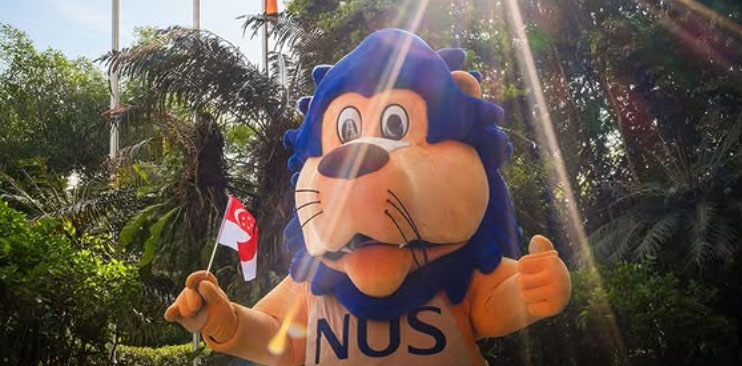
A great example is LiNUS the blue maned mascot of the National University of Singapore. You can find him leading parades, taking photos w/ participants, and overall just having a good time with everybody. Having something embody that sense of togetherness where everyone can gravitate towards is a great way to foster communal relationships.
Similarly, non-profit organisations can use mascots to communicate their mission in a friendly, approachable manner, making their cause more relatable and encouraging public support.
The emotional connection a mascot fosters can also translate into increased community involvement, whether it’s through donations, school participation, or attending events.
This is why understanding why a mascot is important in these sectors can be a game changer for reaching wider and more engaged audiences.

Key Benefits Of Having A Mascot
1. Brand Personality
A mascot gives a brand a personality that can resonate with people on a human level. Unlike static logos or text-based branding, mascots have the ability to interact and form relationships with customers, creating an emotional connection that builds brand loyalty.
This is one of the reasons why mascots are important for both big and small businesses alike. They inject character and warmth into a brand’s identity.
2. Increased Engagement
Whether on social media, at live events, or in advertising campaigns, mascots can drive increased engagement by sparking curiosity and fun.
People naturally gravitate towards characters, which makes them an excellent tool for creating buzz and encouraging interaction. This can translate into social media shares, increased website traffic, and even direct sales.
Another example we can look at is Corntoz’s pink horse mascot. You can often find him having fun all over with a variety of people. From holding signs and photobombing, to becoming a giant and taking groufies, he sure is hard to miss. Add that to brand collaborations with prominent characters such as Goku and Luffy, you are sure to increase brand engagement in no time.
3. Memorability
Humans are naturally inclined to remember faces and figures, which is why mascots can be so effective in leaving a lasting impression.
A mascot with a unique design, catchy name, and distinct personality is far more likely to be remembered than a generic logo or message. This memorability is key in fostering customer retention and ensuring that a brand stays top-of-mind.
4. Cross-Generational Appeal
A mascot often has the ability to transcend age, gender, and other demographic factors. From children to adults, everyone can appreciate a well-crafted mascot, making it an excellent tool for reaching diverse audiences.
This cross-generational appeal is one of the reasons mascots work so well in advertising, sports, and education.
5. Standout Differentiator
In a crowded marketplace, it’s important to differentiate yourself from the competition. A mascot offers a unique, visual element that helps your brand stand out.
Whether it’s a comical character or a more serious, powerful figure, mascots have the ability to make a brand instantly recognisable, giving it an edge over competitors that rely solely on traditional marketing strategies.
Conclusion About The Purpose Of A Mascot
Ultimately, the purpose of a mascot is to serve as a dynamic and relatable representation of a brand or organisation. It provides a means of communication that transcends words, creating emotional connections and lasting memories with audiences.
Whether you’re a business looking to boost brand recognition, a sports team aiming to build community spirit, or a non-profit hoping to engage supporters, mascots are invaluable tools that can make a significant impact.
So, the next time you see your favourite mascot on a billboard, social media post, or at a live event, remember that they are there for a reason: to make your experience with the brand memorable, fun, and meaningful.
If you’re considering creating a mascot for your business or organisation, Mascot Enterprise is here to help bring your vision to life.
Our expert team of designers and strategists can craft a unique mascot that perfectly represents your brand’s personality and values. Contact us today to get started on developing a mascot that will capture hearts and leave a lasting impression!
Frequently Asked Questions About The Purpose Of A Mascot
How Do You Choose The Right Mascot For Your Brand?
Choosing the right mascot involves understanding your brand’s values, target audience, and overall identity. The mascot should reflect the essence of what your brand stands for, whether it’s fun, professional, adventurous, or caring.
For example, a playful, colourful character might work well for a children’s brand, while a more sophisticated or bold mascot would suit a corporate entity.
The mascot’s personality should align with your brand’s voice and appeal to your intended audience, ensuring it can be consistently used across all marketing platforms.
Can a Mascot Help In Increasing Sales Or Revenue?
Yes, a well-designed mascot can play a significant role in increasing sales and revenue by enhancing brand recognition and fostering emotional connections with customers.
Mascots act as a memorable, friendly face for the brand, and when used effectively in marketing campaigns, they can drive engagement, loyalty, and ultimately conversions.
For instance, mascots can be incorporated in promotional activities, advertisements, or special events to create excitement and encourage consumers to make purchases.
How Do Mascots Impact Customer Loyalty?
Mascots contribute to customer loyalty by creating a sense of familiarity and warmth. Over time, as customers repeatedly interact with the mascot through ads, social media, or in-person events, they develop a connection to it.
This emotional bond extends to the brand, fostering a deeper sense of trust and preference. When a customer feels personally connected to a mascot, they are more likely to become repeat buyers and advocates of the brand, thus increasing customer retention.
Can A Mascot Evolve Over Time?
Yes, a mascot can evolve over time. In fact, many companies have updated their mascots to stay relevant and align with shifting market trends or changes in brand positioning.
However, when updating a mascot, it’s essential to retain the core characteristics that made the original design successful to preserve recognition and emotional attachment.
This evolution may include changes in colour, style, or personality traits, ensuring the mascot remains fresh and appealing to new generations of customers.
{
“@context”: “https://schema.org”,
“@type”: “FAQPage”,
“mainEntity”: [{
“@type”: “Question”,
“name”: “How Do You Choose The Right Mascot For Your Brand?”,
“acceptedAnswer”: {
“@type”: “Answer”,
“text”: “Choosing the right mascot involves understanding your brand’s values, target audience, and overall identity. The mascot should reflect the essence of what your brand stands for, whether it’s fun, professional, adventurous, or caring.
For example, a playful, colourful character might work well for a children’s brand, while a more sophisticated or bold mascot would suit a corporate entity.
The mascot’s personality should align with your brand’s voice and appeal to your intended audience, ensuring it can be consistently used across all marketing platforms.”
}
},{
“@type”: “Question”,
“name”: “Can a Mascot Help In Increasing Sales Or Revenue?”,
“acceptedAnswer”: {
“@type”: “Answer”,
“text”: “Yes, a well-designed mascot can play a significant role in increasing sales and revenue by enhancing brand recognition and fostering emotional connections with customers.
Mascots act as a memorable, friendly face for the brand, and when used effectively in marketing campaigns, they can drive engagement, loyalty, and ultimately conversions.
For instance, mascots can be incorporated in promotional activities, advertisements, or special events to create excitement and encourage consumers to make purchases.”
}
},{
“@type”: “Question”,
“name”: “How Do Mascots Impact Customer Loyalty?”,
“acceptedAnswer”: {
“@type”: “Answer”,
“text”: “Mascots contribute to customer loyalty by creating a sense of familiarity and warmth. Over time, as customers repeatedly interact with the mascot through ads, social media, or in-person events, they develop a connection to it.
This emotional bond extends to the brand, fostering a deeper sense of trust and preference. When a customer feels personally connected to a mascot, they are more likely to become repeat buyers and advocates of the brand, thus increasing customer retention.”
}
},{
“@type”: “Question”,
“name”: “Can A Mascot Evolve Over Time?”,
“acceptedAnswer”: {
“@type”: “Answer”,
“text”: “Yes, a mascot can evolve over time. In fact, many companies have updated their mascots to stay relevant and align with shifting market trends or changes in brand positioning.
However, when updating a mascot, it’s essential to retain the core characteristics that made the original design successful to preserve recognition and emotional attachment.
This evolution may include changes in colour, style, or personality traits, ensuring the mascot remains fresh and appealing to new generations of customers.”
}
}]
}
More Resources
All Other Blogs