The Power Of Mascot For Sports In Boosting Team Spirit
When it comes to sports, whether you’re a player or a passionate fan, there’s something undeniably special about the presence of a mascot for sports.
These larger-than-life characters bring energy, excitement, and a sense of identity to sports teams, acting as symbols of pride and unity. In this blog, we’ll dive deep into the importance of a sports team mascot, exploring how they contribute to team culture, fan engagement, and even marketing efforts.
What Is Mascot For Sports?
A mascot for sports is typically a costumed character or symbolic figure that represents a sports team. These mascots are often designed to embody the team’s ethos, city, or region, and they serve as an extension of the team’s brand.
Mascots for sports can be animals, mythical creatures, or even human-like figures, depending on the image the team wants to project.
The role of a mascot goes beyond just entertaining the crowd; they serve as an important marketing tool and are integral to a team’s identity. From pre-game warm-ups to fan engagement events, a mascot plays a key role in maintaining high spirits and boosting morale for both players and supporters.
The Role Of A Sports Team Mascot In Fan Engagement
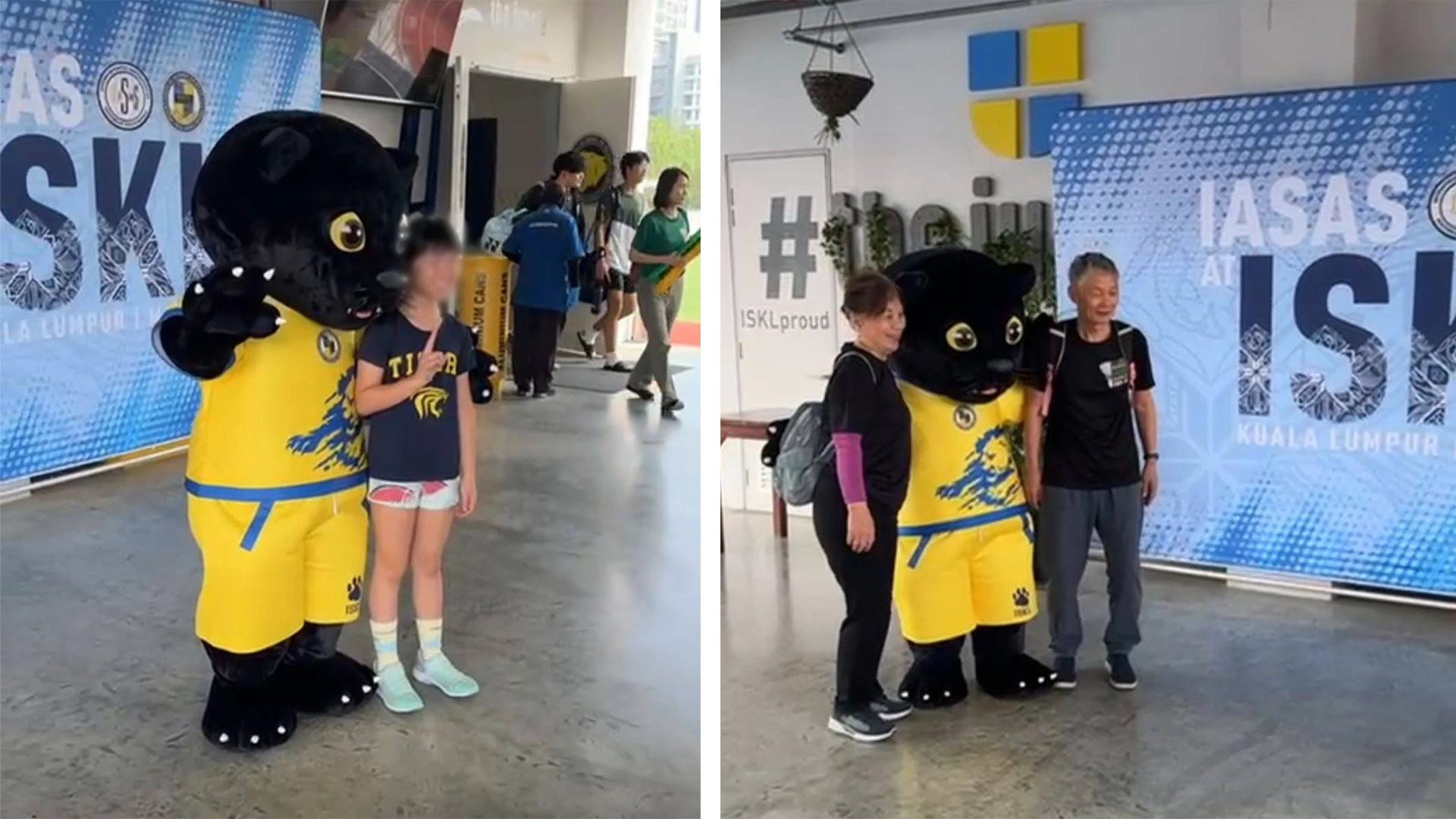
A sports team mascot does much more than wave at the crowd or perform acrobatic stunts during timeouts. They are often the embodiment of the team’s spirit and a vital part of the fan experience. Here are a few ways in which sports mascots engage fans:
1. Creating A Sense Of Community
Sports are often about more than just the game itself; they represent a community coming together. A mascot can serve as a symbol of that community, uniting fans who share a common love for their team.
Whether it’s a local hero or a symbol of regional pride, mascots can spark a sense of belonging among fans, both in the stands and beyond.
2. Inspiring Team Loyalty
A well-designed mascot can create an emotional connection with the fans. When a sports team mascot is associated with victories, traditions, and even comical moments, it becomes a part of the collective memory of the fanbase.
Fans often form personal attachments to the mascot, attending games just to catch a glimpse of their favourite character. This, in turn, strengthens their loyalty to the team.
3. Interactive Entertainment
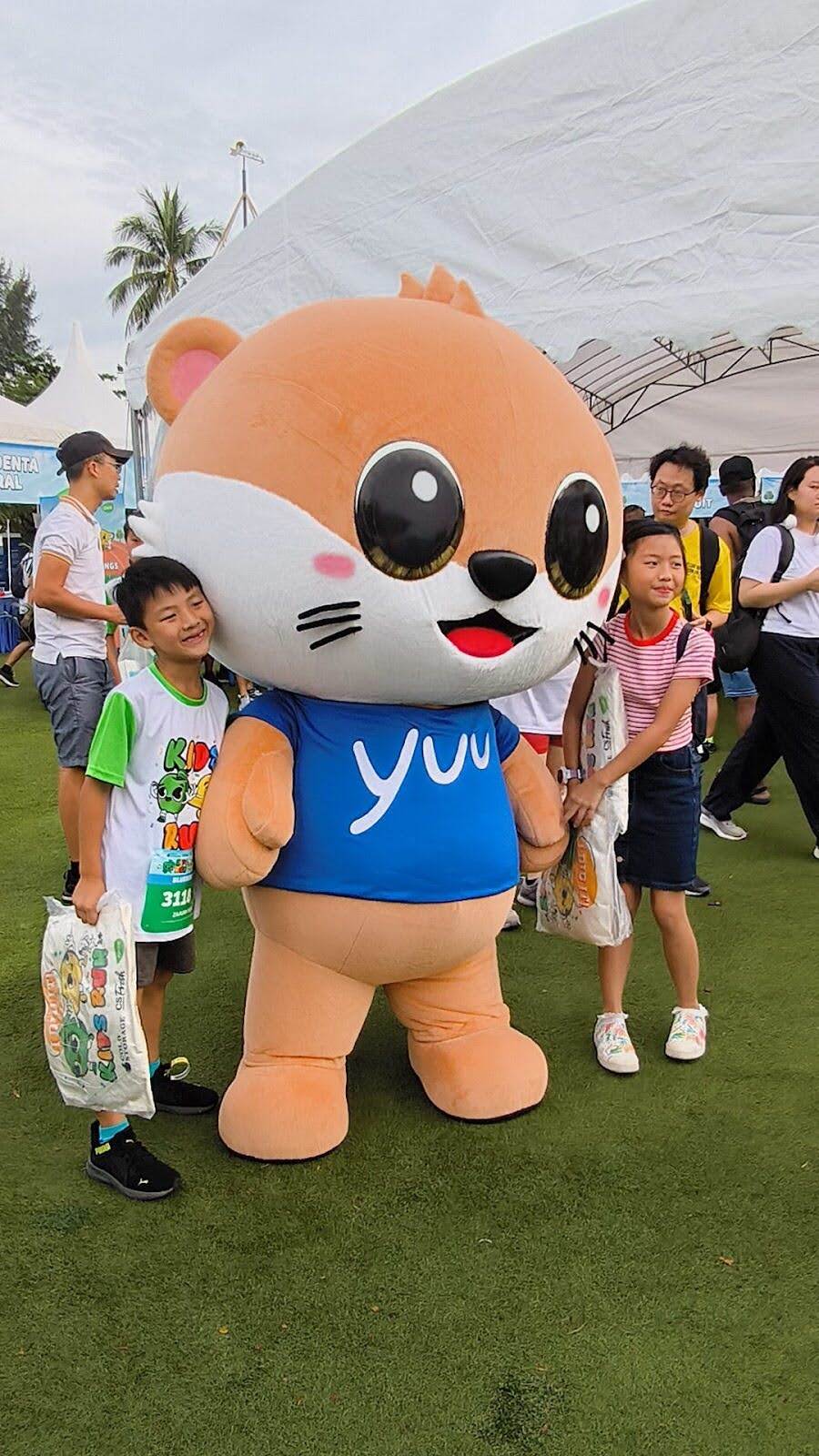
During breaks in the game, mascots are known for their playful antics, such as dancing, leading chants, and even interacting directly with fans.
This creates a lively, fun atmosphere that elevates the entire matchday experience. Children, in particular, are drawn to mascots, which often results in increased family attendance at games.
The Marketing Impact Of A Sports Team Mascot
In the world of professional sports, branding and marketing are essential for success. A sports team mascot can be an effective marketing tool that helps a team stand out in a crowded sports landscape. Here’s how:
1. Merchandising And Revenue Generation
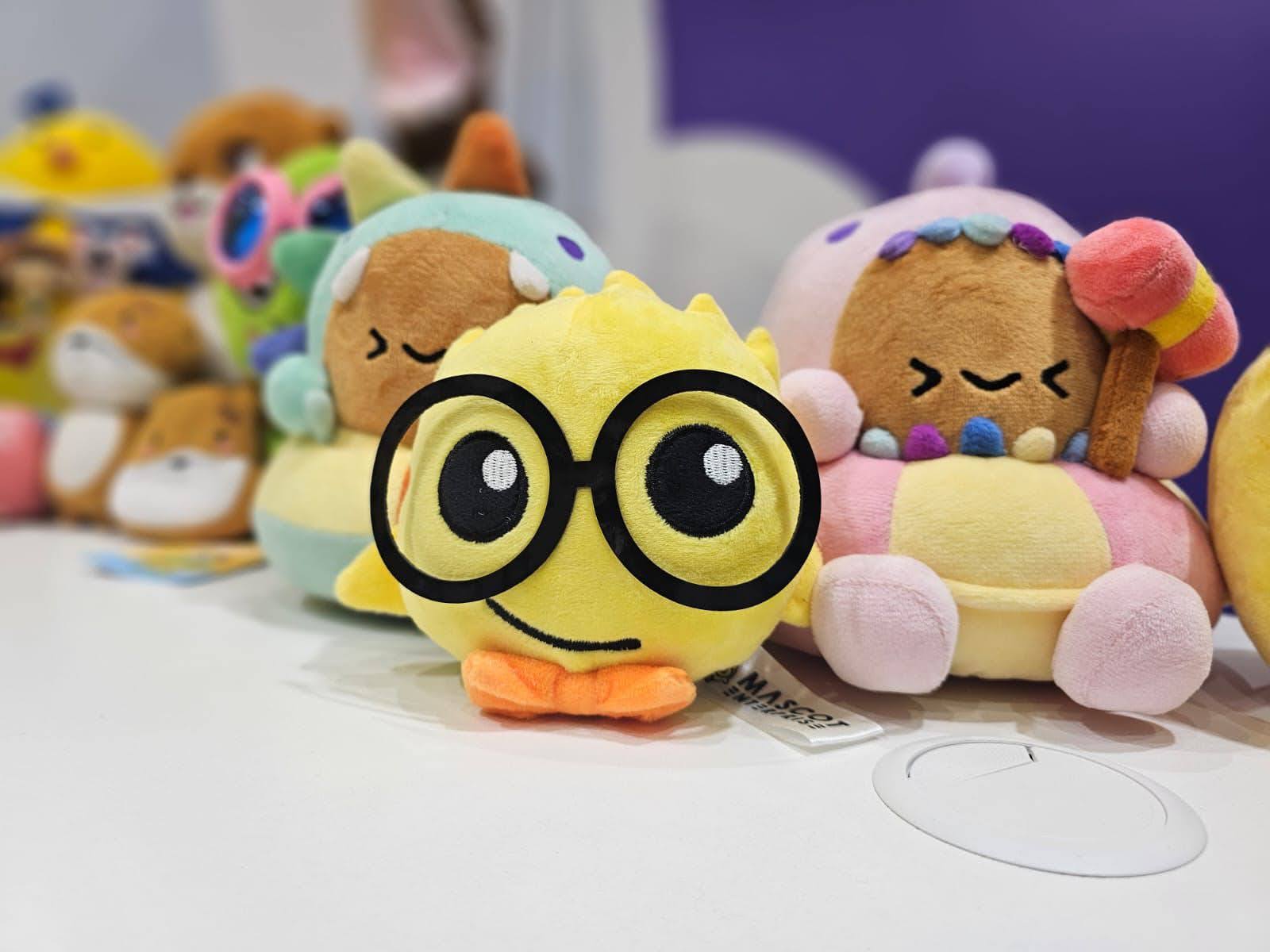
Mascots often become merchandise stars in their own right. From plush toys to T-shirts, hats, and even phone cases, fans love to show their support by purchasing mascot-themed items.
During the Winter Olympics in China, Bing Dwen Dwen became a global hit, leading to a huge demand for its plushies. Stores couldn’t keep up as fans lined up to buy their souvenirs.
This can generate significant revenue for a team. When a mascot is associated with a winning team or a particularly memorable event, their image can be licensed for a range of products, further boosting revenue.
2. Social Media And Digital Engagement
In the age of social media, sports teams frequently utilise their mascots to increase their online presence. Mascots are used in promotional videos, memes, and interactive posts, which help engage fans in a more personal and entertaining way.
A mascot’s playful persona is often perfect for digital content, driving engagement and making the team feel more accessible to fans.
3. Public Relations And Community Outreach
Mascots are often the face of community outreach programmes, visiting schools, hospitals, and local events. This gives fans an opportunity to meet their favourite character outside of the stadium. Mascots also play a crucial role in charity events, helping to generate positive media attention for the team.
The Psychological And Cultural Impact Of A Sports Team Mascot
The cultural significance of a sports team mascot extends far beyond just the sports arena. A mascot can have a profound impact on both players and fans, helping to foster a sense of identity and pride that transcends the game itself.
1. Boosting Player Morale
Having a beloved mascot around can provide a significant morale boost for the players. They can be a source of comic relief during tense moments, but they also represent the team’s spirit and pride. A good mascot knows how to interact with players and can help alleviate stress before or after a big match.
2. Representing Team Identity And Tradition
For many teams, the mascot is an essential part of their identity. From the name to the design and even the mascot’s backstory, everything about it reflects the team’s values, history, and connection to the community.
For instance, a sports team in a coastal city may choose a sea creature as their mascot, while a team in a mountainous region might opt for an animal indigenous to the area. The mascot’s image can help tell a team’s story, creating a rich, immersive fan experience.
3. Enhancing Rivalry And Competition
Mascots can also be part of the fun when it comes to team rivalries. Mascot-themed challenges, games, or performances between rival teams’ mascots can add an element of humour and light-hearted competition that fans love. This not only intensifies the rivalry between teams but also encourages fan participation.
Famous Sports Team Mascots And Their Impact
Across Asia, sports teams have created memorable sports team mascots that have gone on to capture the hearts of millions of fans. From football to baseball and basketball, these mascots play an integral role in team identity and fan engagement. Here are some popular examples from the Asian sports scene:
1. Lucky (FC Seoul)
Lucky is the lovable red dinosaur mascot of FC Seoul, one of South Korea’s premier football teams. With his playful antics and infectious energy, Lucky is a fan favourite both in the stadium and on social media.
His cheerful presence helps create an electrifying atmosphere at matches, while his involvement in community activities has made him a beloved symbol of the team. Lucky also serves as a bridge between the team and its loyal fanbase, often participating in fan meetups and charity events.
2. Bouncy (Shanghai Sharks)
Bouncy, the energetic kangaroo mascot of the Shanghai Sharks, is one of the most iconic figures in the Chinese Basketball Association (CBA). As the mascot for this popular team, Bouncy is known for his acrobatic moves and his ability to rally fans during intense moments.
His presence at games is a highlight for both kids and adults, engaging them with fun performances and high-energy interactions. Beyond game days, Bouncy also plays a role in social media campaigns and promotional events, helping the team connect with its growing fan base across China.
3. Sonic (Chiba Lotte Marines)
In Japan, Sonic, the blue and yellow bird mascot of the Chiba Lotte Marines baseball team, has become a staple in the world of sports mascots. With his distinct look and jovial personality, Sonic has entertained fans for years with his humorous dance routines and high-spirited performances.
He is a symbol of the team’s fun and family-friendly atmosphere and is often seen at local schools, hospitals, and fan events. As a result, Sonic has played a significant role in increasing the team’s visibility and reinforcing the Chiba Lotte Marines’ connection to their community.
Conclusion About Mascot For Sports
The sports team mascot is far more than just a figurehead; it’s a symbol of the team’s spirit, culture, and connection to its fans.
From creating a sense of community and boosting morale to enhancing marketing efforts and becoming a mascot for cultural pride, the impact of a sports mascot cannot be overstated.
As sports continue to evolve, the role of mascots will only become more significant, reinforcing their place as both fan favourites and key players in the team’s marketing strategy.
So the next time you see a mascot cheering from the sidelines, remember that their impact extends far beyond just the fun and games—they’re at the heart of a team’s identity, community, and success.
If you’re looking to bring a dynamic and engaging mascot to your sports team, look no further than Mascot Enterprise.
With years of experience creating custom mascots that resonate with fans and amplify team spirit, we can help you design the perfect character to represent your brand and enhance your fan experience.
Contact us today to start building your mascot legacy!
Frequently Asked Questions About Mascot For Sports
What Are The Key Elements That Make A Good Sports Mascot?
A good sports mascot should be visually distinctive, easily recognisable, and reflective of the team’s identity and values.
Key elements include a memorable design, an engaging personality, and an ability to connect with the fanbase. The mascot should be adaptable for various events, from matchday appearances to community outreach activities, and resonate with a wide audience, including both children and adults.
How Do Sports Teams Choose A Mascot Design?
The design process typically starts with considering the team’s history, location, and culture. For example, an animal or character from the team’s region or a symbol of strength and resilience is often chosen.
Teams may also look to their fans for input, conduct surveys, or work with branding professionals to create a mascot that embodies the spirit and values of the team.
What Is The Role Of A Mascot Outside Of The Stadium?
While mascots are a key feature during game days, they also play an important role in community outreach. They often attend charity events, school visits, parades, and other community-focused activities.
These off-field appearances help foster a positive relationship between the team and the local community, often attracting new fans and increasing brand loyalty.
Do Mascots Need To Be Trained?
Yes, mascots undergo training to ensure they can effectively engage with fans and handle various in-game situations. This includes learning specific routines, dances, and audience interaction techniques. Mascots also need to be physically fit, as their performances are often energetic and can last for long periods.
Some mascots are trained in improvisation and have to react quickly to fan interactions or unexpected moments during events.
How Do Mascots Impact The Game-Day Atmosphere?
Mascots are integral to creating a fun, high-energy atmosphere on game day. Their role includes pumping up the crowd, leading chants, participating in skits, and interacting with fans.
Mascots also provide comic relief, helping to keep spirits high during breaks or slow moments in the game. Their enthusiasm helps to create a lively environment, encouraging fans to engage more deeply with the event.
{
“@context”: “https://schema.org”,
“@type”: “FAQPage”,
“mainEntity”: [{
“@type”: “Question”,
“name”: “What Are The Key Elements That Make A Good Sports Mascot?”,
“acceptedAnswer”: {
“@type”: “Answer”,
“text”: “A good sports mascot should be visually distinctive, easily recognisable, and reflective of the team’s identity and values.
Key elements include a memorable design, an engaging personality, and an ability to connect with the fanbase. The mascot should be adaptable for various events, from matchday appearances to community outreach activities, and resonate with a wide audience, including both children and adults.”
}
},{
“@type”: “Question”,
“name”: “How Do Sports Teams Choose A Mascot Design?”,
“acceptedAnswer”: {
“@type”: “Answer”,
“text”: “The design process typically starts with considering the team’s history, location, and culture. For example, an animal or character from the team’s region or a symbol of strength and resilience is often chosen.
Teams may also look to their fans for input, conduct surveys, or work with branding professionals to create a mascot that embodies the spirit and values of the team.”
}
},{
“@type”: “Question”,
“name”: “What Is The Role Of A Mascot Outside Of The Stadium?”,
“acceptedAnswer”: {
“@type”: “Answer”,
“text”: “While mascots are a key feature during game days, they also play an important role in community outreach. They often attend charity events, school visits, parades, and other community-focused activities.
These off-field appearances help foster a positive relationship between the team and the local community, often attracting new fans and increasing brand loyalty.”
}
},{
“@type”: “Question”,
“name”: “Do Mascots Need To Be Trained?”,
“acceptedAnswer”: {
“@type”: “Answer”,
“text”: “Yes, mascots undergo training to ensure they can effectively engage with fans and handle various in-game situations. This includes learning specific routines, dances, and audience interaction techniques. Mascots also need to be physically fit, as their performances are often energetic and can last for long periods.
Some mascots are trained in improvisation and have to react quickly to fan interactions or unexpected moments during events.”
}
},{
“@type”: “Question”,
“name”: “How Do Mascots Impact The Game-Day Atmosphere?”,
“acceptedAnswer”: {
“@type”: “Answer”,
“text”: “Mascots are integral to creating a fun, high-energy atmosphere on game day. Their role includes pumping up the crowd, leading chants, participating in skits, and interacting with fans.
Mascots also provide comic relief, helping to keep spirits high during breaks or slow moments in the game. Their enthusiasm helps to create a lively environment, encouraging fans to engage more deeply with the event.”
}
}]
}
More Resources
All Other Blogs